Kremlin Hails Trump’s New National Security Strategy: What It Means for Ukraine, Europe, and Global Politics
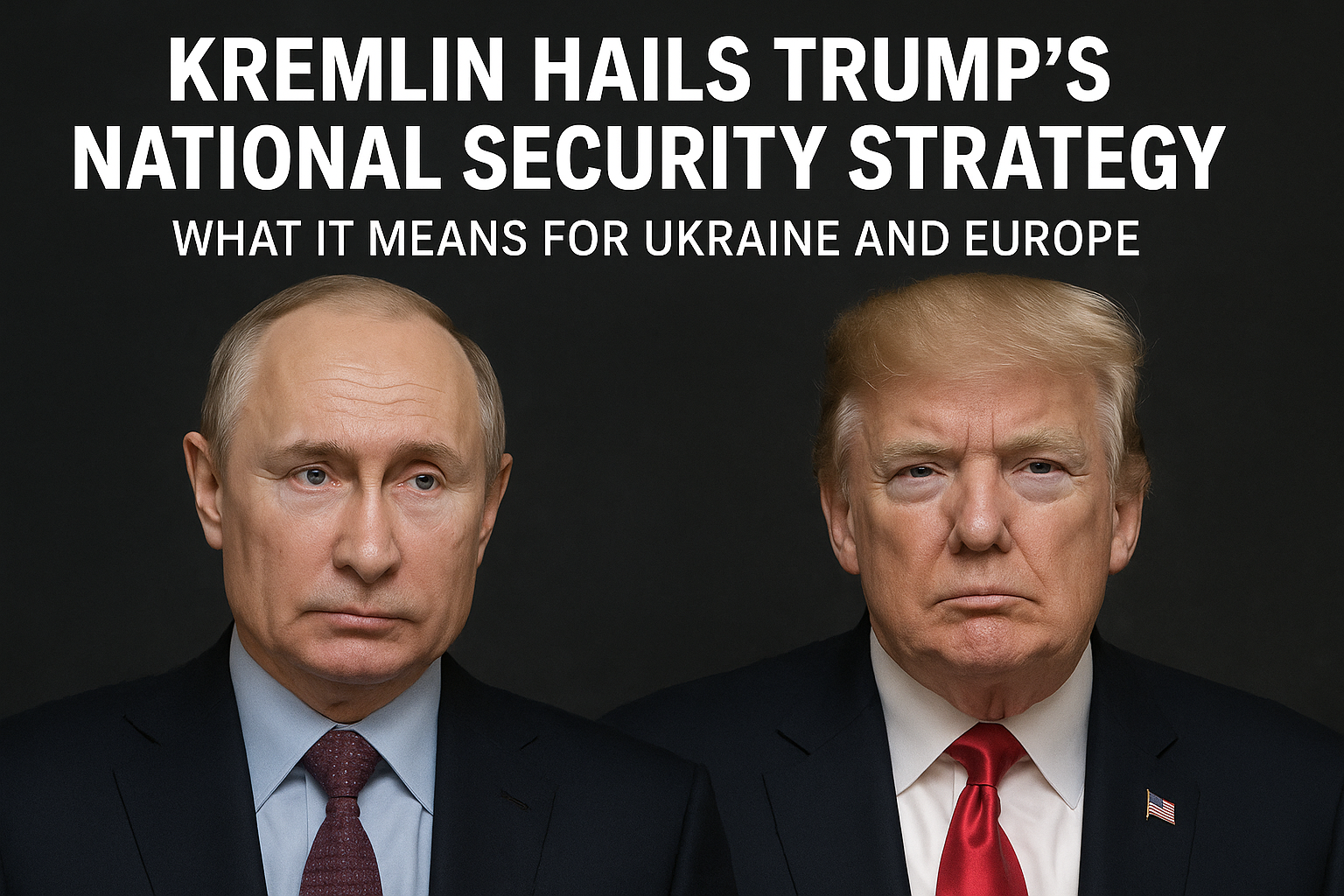
The global political landscape has shifted once again with the release of US President Donald Trump’s new National Security Strategy (NSS). What makes this moment significant is not just the policy itself, but the reaction it has sparked—especially from the Kremlin. Russia has openly welcomed the strategy, calling it a refreshing change from previous US approaches. On the other hand, Europe and Ukraine are watching the developments with concern, unsure of how the new direction may impact the ongoing war and the continent’s long-term security.
Below is a detailed, human-toned analysis of how this new strategy is shaping conversations in Moscow, Kyiv, and major European capitals.
Kremlin’s Warm Reaction: Russia Sees an Opportunity
The Kremlin rarely praises official US strategy documents, but this time, Moscow’s tone was surprisingly positive. Kremlin spokesperson Dmitry Peskov said the adjustments “correspond in many ways to our vision,” a clear sign that Russia sees this NSS as an opportunity to reshape its troubled relationship with Washington.
For Russia, the biggest relief in the new strategy is the shift in tone. Instead of labeling Moscow as America’s permanent enemy, the document highlights the importance of restoring “strategic stability” with Russia—something the Kremlin has long wanted. This includes more dialogue on nuclear issues, regional security, and reducing the risk of direct confrontation.
In simple terms, Moscow believes the new NSS marks a return to diplomacy rather than confrontation.
Key Elements of Trump’s Strategy: A Worldview with Sharp Edges
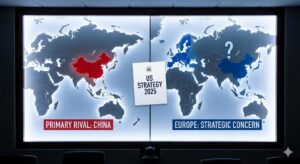
Trump’s National Security Strategy outlines a major reset in US foreign policy priorities. Several parts of the document have generated debate around the world.
China as the Primary Rival
The NSS clearly identifies China—not Russia—as the United States’ main strategic competitor. This shift reduces pressure on Moscow and allows Washington to focus more aggressively on the Indo-Pacific region.
A Softer Stance Toward Russia
Unlike previous administrations, the new strategy treats Russia less like a direct threat and more like a power with which the US must negotiate. This is exactly why Moscow praised the document so quickly.
Criticism of Europe Raises Concerns
One of the most controversial sections is the criticism directed at Europe. The strategy warns that European nations face a risk of “civilizational erasure,” a phrase that has unsettled policymakers across the continent. For many European leaders, this language feels unnecessarily harsh and signals a widening gap between Washington and its traditional allies.
Return to “Spheres of Influence” Thinking
Many analysts have described the strategy as a revival of 19th-century geopolitics—where major powers carve out spheres of influence. For Europe and Ukraine, this is an alarming development, as it suggests that smaller nations might be expected to accept decisions made by larger powers.
Impact on Ukraine: Peace Talks Under Pressure
The new strategy arrives at a delicate moment. The Trump administration claims that negotiations to end the war in Ukraine are in the “final stages,” or the “last 10 meters.” Despite this optimism, neither Ukraine nor Russia has signed the proposed peace framework.
Major Sticking Points
Key disagreements include:
Territorial control in the east
The fate of the Zaporizhzhia nuclear plant
Security guarantees for Ukraine
Whether Kyiv must formally give up any land
President Zelenskyy is unwilling to accept any deal that lacks strong guarantees for Ukraine’s long-term safety.
US Pressure Intensifies
Donald Trump Jr. added to the pressure by suggesting the US may cut support if Ukraine does not agree to the proposed terms. His message was blunt: “We are not going to be the idiot with the checkbook anymore.”
While he holds no official government role, his voice influences Trump’s political base. For Ukraine, the threat of reduced US support is a serious concern, especially when it relies heavily on American weapons and financial aid.
Europe’s Response: Diplomatic Activity Rises
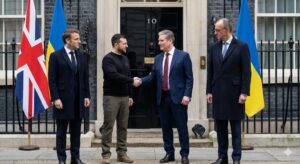
With the US signaling a change in its priorities, European governments are stepping up their engagement with Ukraine. President Zelenskyy has begun a series of high-level meetings in London with leaders from the UK, France, and Germany.
Why Europe Is Worried
European nations fear:
A weakening transatlantic alliance
A US-Russia deal that sidelines Europe
A peace plan that forces Ukraine into disadvantage
A geopolitical shift that favors Russian interests
For the European Union, Trump’s critical tone and the idea of “spheres of influence” echo Moscow’s worldview—something EU leaders do not want to see normalized.
Reality on the Ground: A Difficult Winter for Ukraine
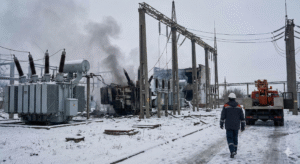
While diplomats negotiate, the war continues to take a heavy toll. Russia has intensified attacks on Ukraine’s energy infrastructure, causing power cuts, heating shortages, and widespread disruption. With winter setting in, millions of Ukrainians face challenges in securing electricity and warmth.
This is now the fourth winter since the full-scale invasion, and the situation remains extremely difficult. The combination of physical damage, cold weather, and relentless missile strikes is pushing civilians and soldiers to the edge of exhaustion.
Political Instability in Kyiv: Corruption Crisis Adds Pressure
Official Website of The White House click here
As if the military and diplomatic challenges were not enough, Ukraine is also battling a serious corruption scandal. A major kickback scheme involving the nuclear energy sector has led to high-level resignations and political turmoil.
Several ministers have been removed, and even Zelenskyy’s influential chief of staff has stepped down amid investigations. This domestic crisis comes at the worst possible moment—just as Ukraine is negotiating its most important peace deal since the war began.
For Zelenskyy, maintaining political unity is essential. Any sign of internal weakness could reduce Ukraine’s leverage in negotiations with Russia and the United States.
Conclusion: A Critical Moment for the Future of Europe and Global Security
Official Wensite of The President Of Russiaclick here
Trump’s new National Security Strategy has reshaped global conversations overnight. Russia sees it as an opening. Europe sees it as a warning. Ukraine sees it as a moment of enormous pressure.
The coming weeks will determine whether:
the US and Russia deepen their diplomatic engagement
Ukraine secures guarantees that protect its sovereignty
Europe strengthens its role in ensuring regional security
or the world shifts toward a new power balance shaped by spheres of influence
One thing is certain: the global order is entering a new phase, and the decisions made now will shape the next decade of international politics.