5. Introduction
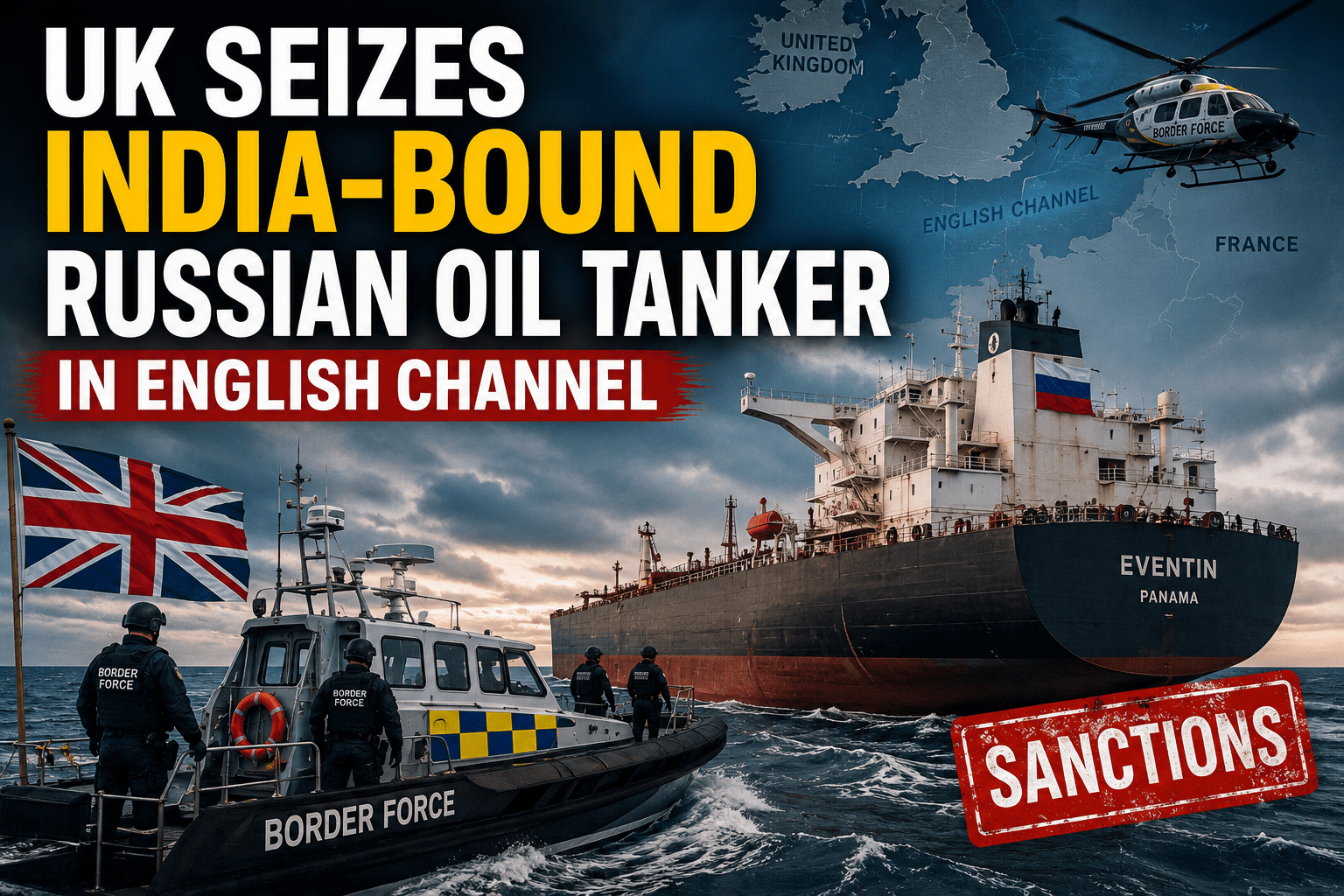
A dramatic maritime interception in the English Channel has triggered intense geopolitical discussions, emphasizing the rising friction between Western sanctions and global energy supply lines. On June 14, 2026, British Royal Marine Commandos executed a high-stakes, fast-roping operation from Chinook helicopters to board and seize the MV Smyrtos, a suspected Russian shadow fleet oil tanker carrying nearly 98,000 tonnes of crude oil en route to India. This aggressive maneuver marks the first time British armed forces have independently boarded and seized an alleged sanctions-busting dark fleet vessel in UK territorial waters.
The fallout from this military action has intensified following the arrest and formal charging of the vessel’s master, Ajay Pant, a 38-year-old Indian national. Charged under the UK’s strict Russian sanctions framework, Captain Pant faces up to 10 years in prison for his role in transporting prohibited Russian petroleum products. For global oil markets, policy decision-makers, and international shipping entities, the interception of the MV Smyrtos highlights a major shift: Western nations are transitioning from paperwork-based restrictions to direct physical enforcement on the high seas. This comprehensive analysis evaluates the strategic background of the shadow fleet operation, the immediate legal and economic ramifications, and the widening geopolitical impact on Western relationships with rising energy consumers like India.
The English Channel Boarding: How the Seizure Unfolded
In the early hours of Sunday, June 14, 2026, an elite inter-agency task force composed of UK Royal Marine Commandos, the Royal Air Force (RAF), and investigators from the National Crime Agency (NCA) intercepted the MV Smyrtos south of the Isle of Wight. Supported by maritime surveillance aircraft, including an RAF P-8 Poseidon and a fleet of tactical helicopters (Chinooks, Merlin Mk4, and Wildcats), the commandos executed a coordinated fast-rope boarding to take control of the vessel within six hours.
   [UK Command & Law Enforcement]
     │ ──► RAF P-8 Aerial Tracking
     │ ──► Chinook Helicopter Fast-Rope Insertion
     ▼
   [MV Smyrtos Interception Zone]
     │ ──► Location: South of Isle of Wight (UK Waters)
     │ ──► Cargo: 98,000 Tonnes of Russian Crude Oil
     ▼
   [Secured Anchorage & Detention]
     └──► Crew Detained off Dorset Coast / Captain Remanded
The operation was carried out smoothly, with zero shots fired and no injuries reported among the 24 crew members, who are citizens of India and Georgia. The MV Smyrtos, an Aframax-class tanker built in 2009, was actively transiting the English Channel after departing from the Russian Baltic port of Ust-Luga. Following the boarding, British Transport Secretary Heidi Alexander issued an immediate detention order, holding the vessel at a secure anchorage off the Dorset coast near Weymouth for comprehensive forensic and environmental inspections.
Legal Fallout: The Arrest and Trial of Captain Ajay Pant
The legal ramifications of the interception materialized swiftly when British prosecutors brought formal criminal charges against the vessel’s master, Ajay Pant. Appearing via video link before the Southampton Magistrates’ Court from a police station in Bournemouth, Pant was officially charged with violating Regulation 46Z9B of the Russia (Sanctions) (EU Exit) Regulations 2019. The prosecution alleges that he directly or indirectly facilitated the delivery of prohibited Russian petroleum products intended for a third country.
During the initial court hearing, the defense argued that Captain Pant was acting purely as a commercial employee following corporate directives issued by the ship’s operators. However, the prosecution emphasized the scale of the infraction, noting that the 98,000 tonnes of crude oil carried a significant market value. Consequently, the court denied bail and remanded Pant in custody, moving the case to the Crown Court due to the severity of the charges, which carry a maximum penalty of 10 years in prison.
Decoding the Shadow Fleet: Flag De-registration and Stateless Status
The seizure of the MV Smyrtos offers a clear look into the operational tactics of the “shadow fleet”—a network of aging, covert vessels used by Moscow to export crude oil above the G7-mandated $60 per barrel price cap. These dark tankers systematically obscure their ownership, insurance providers, and registries to evade regulatory oversight.
The Flag Stratagem: The MV Smyrtos was operating under a Cameroon flag of convenience during its journey. However, maritime records revealed that Cameroon authorities had recently stripped the vessel from their registry, rendering the ship legally stateless at the moment of interception.
Corporate Shell Layering: According to global maritime databases, the ownership of the vessel points to a Hong Kong-based entity named Zhao Yao Shipping, while its internal safety management was handled by an Indian firm, Vika Line Marine Services. This highly fragmented corporate structure is purposely designed to spread legal liability across multiple jurisdictions.
Geopolitical Friction: The Impact on India-UK and Western Dynamics
The interception of an India-bound oil shipment introduces diplomatic complexities to the relationship between London and New Delhi. Since the escalation of the conflict in Ukraine, India has maintained a neutral diplomatic stance, significantly scaling up its purchases of discounted Russian crude oil to protect its domestic energy security. This strategy has frequently drawn criticism from Western capitals looking to isolate Moscow’s energy revenues.
Following the arrest of Captain Pant, India’s High Commission in London formally requested consular access to the detained master and the remaining Indian crew members through the International Maritime Organization (IMO). This maritime incident occurred alongside a fresh round of UK sanctions targeting an additional 20 vessels identified as core components of Russia’s shadow fleet. Prime Minister Sir Keir Starmer emphasized that the aggressive enforcement actions are designed to directly disrupt the financial systems supporting Russia’s wartime economy.
Future Outlook: Physical Enforcement in International Shipping
The boarding of the MV Smyrtos sets a significant precedent for the future of maritime trade and sanctions enforcement. For nearly two years, the shadow fleet operated with relative freedom in international shipping lanes, relying on complex corporate layers and flags of convenience to bypass Western financial controls.
Now that Western powers have demonstrated a willingness to deploy elite military personnel for physical inspections within key transit corridors, the risks for operators in the dark fleet have escalated dramatically. Shipping companies, maritime insurers, and international trade bodies must prepare for a more strictly patrolled maritime environment. In this environment, unflagged or improperly insured vessels face a high risk of interdiction and asset seizure when navigating through European economic zones.
7. Data & Statistics Section
| Maritime & Sanctions Metric | Value / Data Point | Verified Reference Source |
| Seized Vessel Cargo Volume | 98,000 – 100,000 Tonnes | Lloyd’s List / UK National Crime Agency |
| Duration of Boarding Operation | 6 Hours (Total Execution) | UK Ministry of Defence Spokesperson |
| Maximum Penalty for Sanctions Evasion | 10 Years Imprisonment | UK Crown Prosecution Service |
| Vessel Age & Deadweight Tonnage | Built 2009 / 106,969 DWT | Equasis Global Maritime Database |
| Shadow Fleet Vessels Blocked by UK | 500+ Tankers Sanctioned | UK Foreign & Commonwealth Office |
8. Expert Insights
Sarah Bellingham, Maritime Security Analyst at the Royal United Services Institute (RUSI):
“The physical seizure of the MV Smyrtos indicates that the era of relying solely on paper-based financial penalties to enforce oil price caps is shifting toward active maritime interdiction. By treating stateless, de-registered shadow fleet tankers as high-risk vessels, the UK is establishing a precedent that allows for direct physical boarding within vital transit choke points like the English Channel.”
Pradeep Singh, International Trade & Energy Policy Consultant:
“This incident creates immediate friction for Indian energy procurement networks. While New Delhi relies on discounted Russian crude to manage internal inflation, the arrest of an Indian national captain under UK domestic laws shows the growing secondary compliance risks that commercial crews face when operating within the shadow fleet ecosystem.”
9. Frequently Asked Questions (FAQ)
1. Why did the UK military seize the MV Smyrtos in the English Channel?
The vessel was boarded and seized by Royal Marine Commandos under the UK’s Russian sanctions framework because it was transporting prohibited Russian crude oil through UK territorial waters.
2. What charges does Indian national Captain Ajay Pant face?
Captain Pant has been charged with violating Regulation 46Z9B of the Russia (Sanctions) Regulations 2019 for his role in delivering restricted Russian petroleum products to a third country.
3. What is the maximum prison sentence for these sanctions violations?
Under current British maritime and sanctions legislation, individuals found guilty of evading these trade restrictions face a maximum sentence of up to 10 years in prison.
4. Where was the seized oil tanker headed before its interception?
According to international maritime tracking data and court filings, the vessel departed from the Russian port of Ust-Luga and was bound for India.
5. Why was the MV Smyrtos classified as a “stateless” ship?
Although the tanker flew a Cameroon flag, Cameroon maritime authorities had removed the ship from their registry prior to the operation, leaving it without a valid national flag or state protection.
6. What happens to the remaining 24 crew members on board?
The crew members, who are citizens of India and Georgia, remain on board the vessel anchored off the Dorset coast, where they are currently assisting the National Crime Agency with its investigation.
7. Has India responded to the arrest of the ship’s captain?
Yes. India’s High Commission in London has formally requested consular access to Captain Pant and the crew through the International Maritime Organization.
8. How does this seizure change global sanctions enforcement?
It marks a shift from indirect financial restrictions to active physical enforcement, signaling that Western nations are prepared to deploy military assets to intercept unsanctioned energy shipments.
10. Conclusion
The seizure of the MV Smyrtos represents a turning point in the enforcement of international trade restrictions and the management of global shipping lanes. By executing a direct military boarding in the English Channel, the United Kingdom has signaled that it will target the physical movement of shadow fleet tankers. The subsequent arrest and legal prosecution of Captain Ajay Pant underscore that the legal risks of sanctions evasion apply not only to corporate entities, but also to individual maritime operators.
As nations like India navigate complex energy security needs, these types of maritime interdictions introduce new risks for international supply chains. Moving forward, commercial operators must thoroughly verify vessel registries, insurance compliance, and cargo origins to avoid costly legal and operational disruptions in heavily monitored international waters.
Official Links & Resources
Official Website: UK National Crime Agency (NCA) Updates
Official Announcement: UK Government Press Office – Russia Sanctions Guidance
Official Press Release: Prime Minister’s Office Statement on Shadow Fleet Interdiction
Official Documents: Russia (Sanctions) (EU Exit) Regulations 2019 Statutory Text (PDF)