

Why Pakistan’s $686 Million F-16 Upgrade Matters: Understanding the U.S. Aid, the Repairs After Air Clashes, and India’s Strategic Concerns
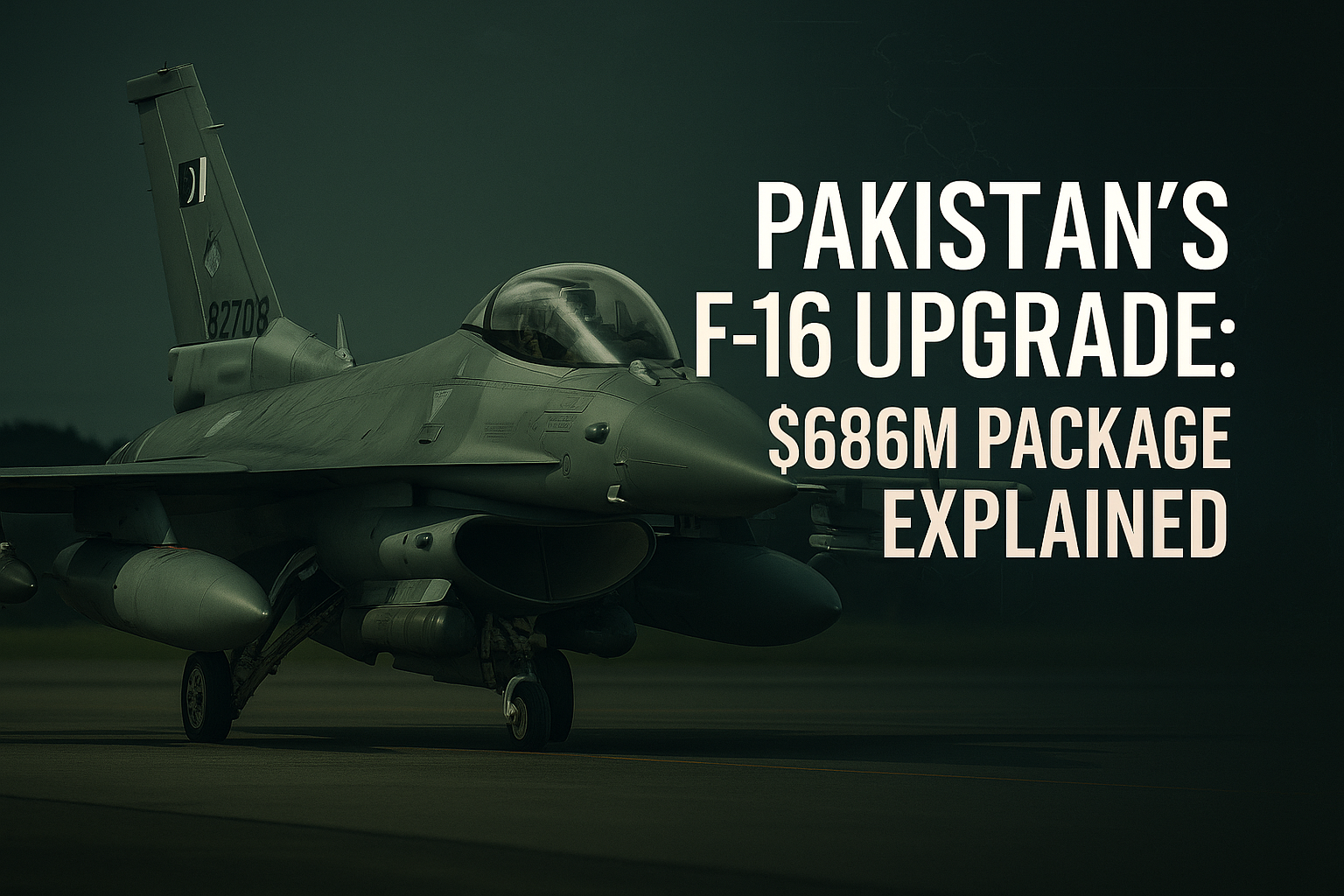
A major development has emerged in South Asian security dynamics: Pakistan is moving ahead with a significant upgrade and repair cycle for its F-16 fighter jets, with assistance worth hundreds of millions of dollars backed by the United States. The move comes months after a series of air encounters that raised questions about the strength, readiness and long-term capability of the Pakistan Air Force. As satellite imagery, media reports and official announcements show hangar repairs and aircraft refurbishments underway, analysts believe Pakistan is taking steps to recover operational capability lost during recent confrontations. The story is complex, touches multiple countries and involves geopolitics, defence economics and regional strategy. Here is the entire picture in simple, clear language.
In early 2025, the first major signal came when the United States approved a $397 million sustainment package for Pakistan’s F-16 fleet. This included upgrades, spare parts and essential maintenance support to ensure the jets could continue flying reliably. Later that year, U.S. defence authorities notified Congress of another proposed package valued at around $686 million, aimed at strengthening the fleet’s avionics, navigation systems, secure communications and mission-planning capabilities. This second package became one of the most talked-about defence developments of 2025. According to public reporting, it includes equipment such as improved identification systems, cryptographic communications, software upgrades and secure data-link technology. These enhancements do not mean Pakistan is receiving brand-new aircraft; rather, they ensure the current fleet stays relevant and functional for modern air missions.
Why is Pakistan receiving this support now? Observers point to two overlapping reasons. First, any country whose air assets are damaged in conflict must restore operational capability as soon as possible. Repairs to hangars, replacement of damaged parts and strengthening of maintenance capacity are standard military procedures. The imagery showing Pakistan refurbishing air base infrastructure fits what analysts describe as a normal response after an air confrontation. Second, the United States continues to balance its strategic interests in the region. Even as Washington deepens economic and technological ties with India, it also keeps channels open with Pakistan through controlled defence cooperation, export-credit lines and support for specific security capabilities.
In fact, the U.S. Export-Import Bank recently announced discussions around a large financing package for mining projects in Pakistan, highlighting how economic and defence tools sometimes move in parallel. Such commitments reflect Washington’s desire to maintain some influence and stability in the region. However, these actions also create discomfort in India, where policymakers watch every such approval closely, analysing its potential impact on air power dynamics.
To be clear, the upgrades being offered to Pakistan do not transform its F-16 fleet into a top-tier aircraft overnight. Integrating new avionics, secure communications, data links and safety systems into older airframes is a slow and technically demanding process. It requires trained technicians, weeks or months of testing, multiple levels of certification and continuous support from the original equipment suppliers. A package worth hundreds of millions of dollars sounds enormous — and it is — but it represents long-term maintenance and modernisation rather than a dramatic shift in combat capability within days or even weeks.
So why is India concerned? The issue is not just about hardware. It’s about the timing, the optics and the strategic context. When an air force begins repairing infrastructure and upgrading fighters soon after a major confrontation, it signals intent: the country wants to restore capability, plug vulnerabilities and prepare for future contingencies. India’s defence planners understand this well. Their concern is not that Pakistan will suddenly gain overwhelming air power, but that sustained support from multiple countries — including China and the United States — could help Pakistan rebuild faster than expected.
China, in particular, continues to be Pakistan’s primary defence partner. Submarines, jointly developed aircraft, missile systems and strategic advice all fall under China–Pakistan cooperation. But Western systems like the F-16 operate differently and require very specific maintenance and technology pathways. So when Pakistan receives both Chinese and American support in the same timeframe, it adds layers of complexity to India’s threat assessment. Air warfare is no longer just about how many aircraft a country has; it is also about networking, secure communication, survivability and integration with other sensors and platforms.
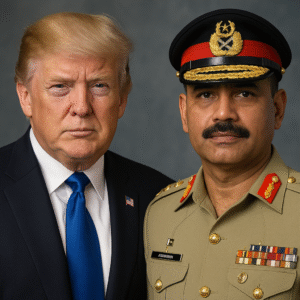
Another dimension of this story involves international discussions around internal security incidents within Pakistan. Reports of civilian harm in domestic operations have led to questions raised in global forums. India recently highlighted such issues at the United Nations, drawing attention to how internal instability affects regional security. While these humanitarian discussions do not directly determine defence packages, they do influence political narratives and shape how future aid is perceived.
Despite all this, it is important to recognise the limits of what Pakistan’s upgrades can achieve quickly. Replacing avionics, modernising mission-planning infrastructure, installing secure data links and training pilots on new systems cannot be rushed. These processes take time, calibration and repeated trials. Even with substantial investment, Pakistan’s F-16 fleet will not instantly regain full capability. Aircraft lost or heavily damaged during earlier confrontations are not easily replaced, and no upgrade package can reverse structural losses immediately.
From India’s perspective, the best approach is strategic patience combined with active vigilance. India maintains several advantages in sensors, air defence networks and long-range precision systems. It also enjoys the benefit of stronger global partnerships and diversified supply chains. India’s exercises with global partners — including Russia, France, the United States and Japan — contribute to higher readiness and deeper interoperability. These strengths offer New Delhi a significant buffer as it watches Pakistan’s modernisation with a balanced yet cautious eye.
Click Hereto visit official website of Lockheed Martin
Meanwhile, diplomatic channels remain essential. Regional stability depends not only on military capability but also on communication, transparency and confidence-building. India’s ability to raise issues in international forums, highlight security concerns and build coalitions with global partners is part of its broader strategy to maintain a stable balance of power in South Asia.
In conclusion, Pakistan’s $686 million F-16 upgrade package, combined with earlier repair and sustainment efforts, marks an important chapter in the region’s evolving air-power landscape. The developments are significant, but they must be understood in context. Upgrades improve reliability and communication systems, but they do not instantly rewrite the balance of power. These changes unfold over years, not weeks. For India, the key lies in maintaining readiness, strengthening partnerships and continuing to modernise its own forces. The story is ultimately about long-term strategy, not sudden advantage. As both nations adjust to shifting geopolitics and technology trends, careful analysis and steady policy will matter more than short-term noise.


One thought on “Pakistan’s $686 Million F-16 Upgrade Explained: How U.S. Aid, Repairs and Geopolitics Impact India”