
1. A Quiet Market That Still Has a Message
In the last few trading sessions, Indian stock markets have looked calm on the surface. The Sensex and Nifty posted small weekly gains, but much of that was trimmed by profit-taking. Volumes were low, price movement was narrow, and traders appeared cautious. To many retail investors, this kind of market feels confusing — neither clearly rising nor sharply falling.
But in reality, such phases often carry important signals. Quiet markets are not empty markets. They are markets that are thinking, adjusting, and resetting expectations. Year-end trading, in particular, has its own rhythm, shaped by global calendars, fund manager behavior, and psychology rather than fear or optimism alone.
2. Why Trading Becomes Subdued at the End of the Year

Every year, markets slow down as December approaches its final weeks. This is not unique to India. It happens in the US, Europe, and most major markets. The reason is simple: money managers close their books.
Mutual funds, hedge funds, insurance companies, and even large traders prefer to lock in profits rather than take fresh risks. Many global desks operate with reduced staff. Foreign investors slow their activity, and domestic institutions also become selective. This leads to thin volumes, where even small selling pressure can trim gains.
This does not mean investors have lost confidence. It simply means that most large players prefer to wait for clarity in the new year rather than gamble in the final days of the old one.
3. Profit-Taking Is Not a Bad Word
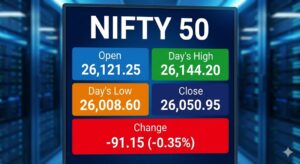
One common mistake retail investors make is to panic when they hear the word “profit-taking.” Profit-taking is not selling out of fear. It is selling because prices have already gone up.
After a decent rally over previous months, many stocks were sitting on healthy gains. Investors who bought earlier naturally chose to book profits. This is normal and healthy for markets. In fact, markets that never see profit-booking often end up overheating and crashing later.
Think of it like a pressure valve. Profit-taking releases excess heat and allows markets to breathe.
4. Low Volumes Change Market Behaviour
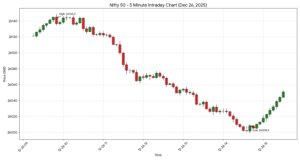
When trading volumes are thin, prices behave differently. In high-volume markets, buying and selling balance each other smoothly. In low-volume markets, even small orders can move prices sharply.
This is why year-end markets often look choppy. A few sellers can pull indices down, and a few buyers can push them up — without any major news. That is why experienced investors avoid reading too much into short-term moves during this period.
Smart money focuses less on daily index points and more on levels, earnings visibility, and macro signals.
5. The Bigger Economic Picture Still Matters
While daily trading is quiet, India’s broader economic story remains intact. Growth continues to be among the strongest globally. Inflation, though not perfect, is under control compared to many developed economies. Government spending on infrastructure remains strong, supporting demand across sectors.
The central bank, Reserve Bank of India, has also maintained a cautious but stable stance. Interest rates are not rising aggressively, and liquidity conditions are being managed carefully. This creates a supportive background for equities over the medium term.
Markets do not rise every week, but they do respond to long-term economic direction — and that direction still favors India.
6. What History Tells Us About Similar Phases
History offers useful lessons. In many past years, Indian markets slowed down in December, only to move strongly in January or February once fresh money entered the system.
For example, in several cycles, subdued year-end trading was followed by rallies driven by earnings upgrades, budget expectations, or global risk appetite. While history does not repeat exactly, it often rhymes.
The key lesson is simple: quiet markets are not weak markets. They are markets waiting for new triggers.
7. Why Analysts Still Prefer ‘Buy on Dips’
Despite the calm mood, many analysts continue to recommend buying quality stocks on dips rather than chasing rallies. This approach works because dips caused by low volumes or profit-taking often do not reflect damage to fundamentals.
Earnings outlook in sectors like banking, infrastructure, capital goods, and select manufacturing remains stable. Domestic demand continues to support revenue growth. Corporate balance sheets are healthier than in previous cycles.
Buying on dips allows investors to enter at better prices without trying to time the exact bottom — something even professionals struggle to do.
8. Domestic Investors Are Changing the Market Structure
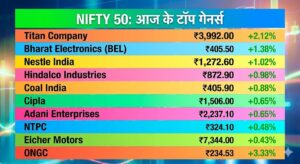
One major difference between today’s market and earlier decades is the role of domestic investors. SIP flows, pension funds, and insurance money now provide a strong base of demand.
Even when foreign investors slow down or sell modestly, domestic institutions often step in. This has reduced extreme volatility and made corrections shallower.
This structural shift is important. It means Indian markets are less dependent on global moods than they were earlier, though global events still matter.
9. Global Factors Still Influence Sentiment
While domestic fundamentals are strong, India does not operate in isolation. Global interest rates, geopolitical tensions, and currency movements still affect sentiment.
Events in the US bond market, tensions in energy-producing regions, or economic signals from China can influence short-term flows. However, unless these turn into major global shocks, they usually cause temporary volatility, not trend reversals.
Long-term investors should be aware of these risks but not overreact to every headline.
10. Risks That Investors Should Not Ignore
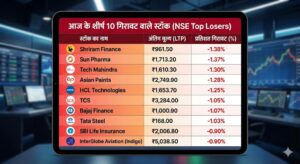
A balanced view also requires acknowledging risks. Inflation can rise again if global commodity prices spike. Earnings disappointments can hurt overvalued stocks. Political or geopolitical surprises can impact sentiment.
That is why buying on dips does not mean buying blindly. It means being selective, disciplined, and patient.
Markets reward preparation, not prediction.
11. How Retail Investors Can Approach Such Markets
For retail investors, the best approach during subdued markets is simple. Avoid panic. Avoid overtrading. Focus on companies with strong balance sheets, consistent earnings, and clear business models.
Systematic investing, staggered buying, and long-term thinking work better than trying to guess short-term moves. Corrections should be seen as opportunities to build positions gradually, not moments of fear.
The goal is not to win every week, but to build wealth over years.
12. What to Watch Going Into the New Year
As the calendar turns, investors should watch three things closely. First, earnings guidance from companies. Second, policy signals from the government and the RBI. Third, global risk sentiment.
These factors will determine whether markets move sideways, correct modestly, or resume their upward trend.
The current calm phase is not an ending. It is a pause.
13. Final Thoughts: Calm Markets Can Be Powerful Teachers
Subdued trading with trimmed gains may look boring, but it teaches important lessons. Markets do not always move fast. Sometimes they slow down to absorb information.
Profit-taking is natural. Low volumes are seasonal. Strong fundamentals still matter more than daily noise.
For investors who understand this, quiet markets are not frustrating — they are full of opportunity.
To visit official website of SEBI click here
📊 Frequently Asked Questions (FAQ)
1. Why is the Indian stock market quiet at year-end?
Indian stock markets usually slow down at the end of the year because trading volumes fall. Many investors and fund managers book profits, close their yearly accounts, and avoid taking fresh risks. Global markets also see lower participation during this period, which further reduces activity in India.
2. Is subdued trading a negative sign for the stock market?
No, subdued trading is not necessarily negative. It often means the market is taking a pause after a rally. When prices move slowly with low volumes, it usually reflects caution and consolidation rather than fear or panic.
3. What does profit-taking mean in simple terms?
Profit-taking means investors are selling stocks they bought earlier at lower prices to lock in gains. It is a normal and healthy part of the market cycle and does not mean that investors expect a crash.
4. Why do analysts suggest “buying on dips” during such phases?
Analysts suggest buying on dips because price corrections caused by low volumes or profit-taking often do not damage company fundamentals. These dips allow long-term investors to enter good stocks at better prices without chasing the market at highs.
5. Is it risky to invest when market volumes are low?
Low volumes can increase short-term price swings, but they do not automatically increase long-term risk. Investors should avoid short-term speculation during such phases and focus on quality companies, staggered buying, and long-term goals.
6. How can retail investors handle quiet or sideways markets?
Retail investors should stay patient, avoid panic selling, and not overtrade. Systematic investment plans (SIPs), gradual buying, and focusing on strong businesses usually work better than trying to time the market.
7. Do global factors affect Indian markets during year-end?
Yes, global factors like interest rates, currency movement, and geopolitical events influence sentiment. However, unless there is a major global shock, these factors usually cause temporary volatility rather than long-term damage to Indian markets.
8. Should beginners invest now or wait for clarity?
Beginners should avoid investing all their money at once. A staggered approach, learning basic market concepts, and focusing on long-term investing can help reduce risk during uncertain or low-volume phases.
9. Does year-end weakness mean the market will fall in January?
Not necessarily. Many times, quiet year-end markets are followed by fresh buying in the new year as new money enters the system. Future movement depends on earnings, policy signals, and global conditions.
10. What is the biggest mistake investors make during calm markets?
The biggest mistake is reacting emotionally — either panicking due to lack of movement or chasing small rallies. Calm markets reward patience, discipline, and thoughtful decision-making.
To visit official website of NSE click here
🔍 People Also Ask (PAA) – Indian Stock Market Year-End
Is the Indian stock market expected to rise after year-end?
The Indian stock market often sees fresh activity after year-end as new money enters the system. While a rise is not guaranteed, historical patterns show that January and February usually bring better participation once profit-booking and low-volume trading end.
Is it a good time to buy stocks when the market is quiet?
A quiet market can be a good time to buy quality stocks gradually. Prices during low-volume phases are often more reasonable, allowing long-term investors to enter without chasing highs. However, buying should be staggered and focused on strong companies.
Why do stock markets slow down in December?
Stock markets slow down in December due to profit-taking, holiday season in global markets, reduced institutional participation, and fund managers closing annual accounts. This leads to lower trading volumes and limited price movement.
What does ‘buy the dip’ mean in the stock market?
“Buy the dip” means purchasing stocks after a small fall in prices rather than buying during rallies. The idea is to enter at better prices when markets temporarily decline but fundamentals remain strong.
Does low trading volume mean the market is weak?
Low trading volume does not always mean weakness. It often reflects caution or lack of participation. Market weakness is usually confirmed only when falling prices are supported by high selling volumes.
Should retail investors stop SIPs during subdued markets?
No, retail investors should generally continue SIPs during subdued markets. SIPs work best when markets are volatile or slow, as they average out purchase prices over time.
How do profit-taking and correction differ?
Profit-taking is temporary selling after gains, while a correction is a broader decline driven by negative news or economic stress. Profit-taking usually causes short, shallow dips, whereas corrections are deeper and longer.
Which sectors perform better during sideways markets?
During sideways markets, defensive sectors like FMCG, healthcare, and select banking stocks often perform better. Stocks with stable earnings and strong balance sheets usually attract steady interest.
Do foreign investors impact Indian markets at year-end?
Yes, foreign institutional investors often reduce activity at year-end. However, strong domestic investor participation has reduced the overall impact of foreign selling compared to earlier years.
Can geopolitical events affect Indian markets during low-volume periods?
Yes, geopolitical events can cause sharp short-term reactions during low-volume periods. However, unless the event has long-term economic consequences, markets usually stabilise once volumes return.
Is it better to wait for confirmation before investing?
Waiting for confirmation reduces risk but may also mean missing early opportunities. A balanced approach is to invest gradually rather than waiting for perfect clarity, which rarely comes in markets.
Why do analysts prefer consolidation over sharp rallies?
Consolidation allows markets to absorb gains and correct excess valuations. Sharp rallies without consolidation often lead to sudden corrections later.
What signals should investors watch after year-end?
Investors should watch corporate earnings, government policy announcements, inflation data, interest rate signals, and global market trends to understand the next market direction.
Samsung India Skips IPO, Bets Big on AI & Local Manufacturing — What This Means for India’s Economy