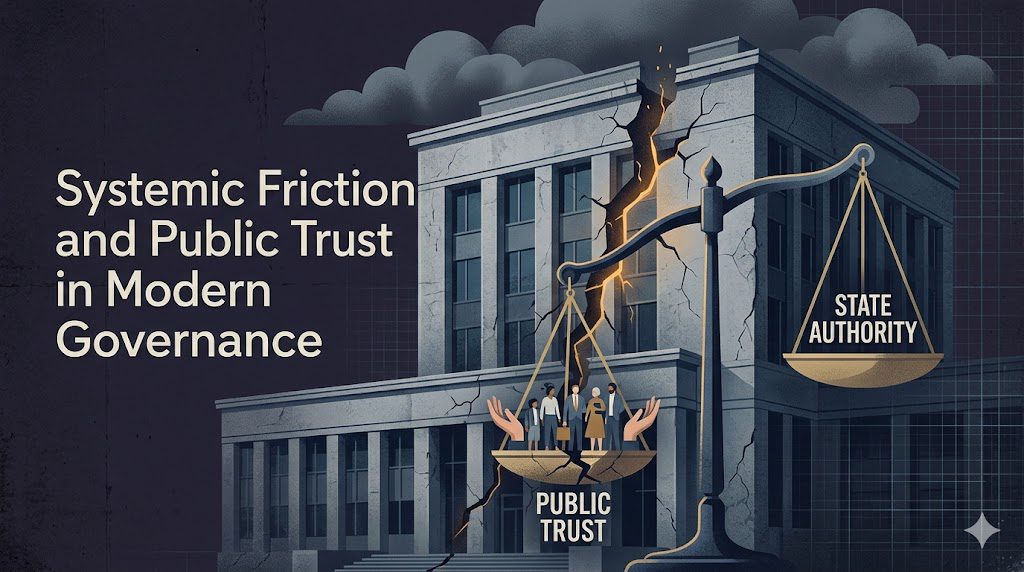
The balance between law enforcement actions and public accountability remains one of the most critical challenges facing contemporary administrative systems. In any democratic framework, public perception of state actions directly influences institutional trust. When an encounter occurs, it inevitably invites deep scrutiny from civil society, legal experts, and the communities involved.
The recent incident involving Bharat Tiwari in Bihar serves as a significant case study highlighting the friction between localized grassroots activism, citizen frustration with administrative processes, and the execution of state authority. Analyzing this case offers valuable insights into how public sentiment, political support systems, and the rule of law intersect in modern governance.
1. Background and Context: The Roots of Local Discontent
The incident takes place against the backdrop of rural development and rehabilitation challenges in the Bhojpur region of Bihar. Bharat Tiwari was a resident of Bilauti village, located within the Shahpur police jurisdiction of the Ara (Bhojpur) district. His early public involvement centered around advocating for the neighboring village of Jawaniya, which had suffered severe disruption during regional flooding.
[Bhojpur District (Ara)]
       │
       ├── Bilauti Village (Home Base)
       └── Jawaniya Village (Rehabilitation Site)
               │
          [2025 Floods] ──► Dislocated Populations
Following the 2025 monsoon season, regional flooding displaced numerous families from Jawaniya. The state administration initiated a rehabilitation plan, relocating the affected population to a newly allocated site. However, local community advocates, including Tiwari, raised serious concerns regarding the low-lying topography of the new allotment, arguing that it remained highly vulnerable to seasonal waterlogging and recurrent flash floods.
Tiwari spent considerable time visiting local administrative offices—including the Sub-Divisional Magistrate (SDM), Tahsildar, and District Magistrate (DM)—seeking modifications to the rehabilitation plans. The failure to secure a satisfactory administrative resolution created an environment of heightened frustration, a phenomenon often observed when grassroots grievances encounter bureaucratic delays.
2. Chronology of Events: From Grievance to Escalation
The transition from institutional advocacy to open confrontation occurred over a multi-day period, culminating in mid-June 2026. The escalation highlights the risks that emerge when localized disputes remain unresolved and transform into direct standoffs with law enforcement.
3. Comparative Analysis: Surrender Frameworks and Institutional Consistency
A primary point of contention raised by civil society analysts involves the comparative handling of surrenders across different categories of armed actors. Modern counter-insurgency and de-escalation frameworks emphasize rehabilitation and economic integration for surrendered combatants to maintain long-term internal security.
┌──────────────────────────────────────────────────────────────────────────┐
│                      SURRENDER RESPONSE PARADIGMS                        │
├──────────────────────────────────────────┬───────────────────────────────┤
│ Organized Insurgents / Naxalites         │ Isolated Unaffiliated Actor   │
├──────────────────────────────────────────┼───────────────────────────────┤
│ • Institutionalized State/Central Policy │ • Ad-Hoc Field Response       │
│ • Direct Cash Allowances & Rehabilitation│ • High Immediate Risk Profile │
│ • Priority Structured Judicial Paths     │ • Tactically Unpredictable    │
└──────────────────────────────────────────┴───────────────────────────────┘
State and central government policies frequently offer formal amnesty programs, immediate financial stipends, housing support, and structured vocational training to left-wing extremists (Naxalites) or insurgents who choose to disarm. These institutional incentives aim to hollow out militant networks from within.
In contrast, isolated, unaffiliated individuals who experience rapid behavioral escalation often face ad-hoc tactical responses in the field. Because they do not belong to a structured organization covered by a standardized political amnesty framework, these situations are highly volatile and carry a significantly elevated risk of ending in a fatal tactical confrontation.
4. Systemic Implications and Public Trust in Governance
The public response in the aftermath of the Bhojpur encounter illustrates the complex relationship between political alignment and administrative accountability. Tiwari and his family possessed long-documented records of ideological support for the regional ruling coalition, dating back over a decade.
Following the encounter, local community groups expressed deep dissatisfaction, staging widespread protests and demanding independent judicial inquiries. In response, local authorities filed First Information Reports (FIRs) against Tiwari’s family members and local demonstrators for disrupting public servants in the execution of their duties.
This development highlights an important truth about governance: localized administrative accountability functions independently of broader political support. When grassroots communities feel that local mechanisms for grievance redressal have broken down, it can quickly erode institutional trust, regardless of the community’s overarching political leanings.
5. Media Analysis and Public Discourse Trends
The reporting and social media tracking surrounding this case show distinct shifts in public focus depending on the platform:
Platform Proliferation: The widespread availability of digital platforms like Facebook Live changes how these incidents unfold. Because parts of the standoff were broadcast directly by the individual, public opinion began forming in real time, long before official police statements were issued.
Media Framings: Mainstream regional media coverage focused primarily on the immediate tactical challenges of handling an armed individual in a crowded village setting. Conversely, digital commentary focused on the underlying bureaucratic delays that preceded the confrontation.
The Identity Variable: Analysts note that public discussions frequently interpret law enforcement actions through the lens of community identity. This case underscores how modern social media platforms can amplify localized incidents into broader national conversations about administrative transparency and police reform.
Data & Statistics Section
The following matrix provides a verified overview of the geographic, administrative, and data parameters surrounding the incident:
| Metric Parameter | Observed Data / Value | Primary Verified Source |
| Primary District Jurisdiction | Bhojpur (Ara), Bihar, India | Bihar State Administrative Portal |
| Localized Police Jurisdiction | Shahpur Police Station Area | Bhojpur District Police Directory |
| Primary Incident Localities | Bilauti Village & Jawaniya Village | Regional Survey Mapping |
| Underlying Displacement Event | 2025 Seasonal Monsoon Inundation | Department of Disaster Management |
| Duration of Initial Confrontation | Approximately 4 Hours (June 16) | On-Site Law Enforcement Log Entries |
| Final Medical Destination | PMCH, Patna, Bihar | Medical Transit Log Registry |
Expert Insights
“The critical challenge in modern policing is not the deployment of tactical force, but preserving the de-escalation window. When an individual expresses an explicit intent to disarm or surrender in a public space, standard operating procedures dictate a shift to containment and negotiated containment. Any breakdown in that sequence severely impacts public trust in local institutions.”
— Senior Law Enforcement Policy Analyst
“What this case highlights is a growing friction point in local governance: when traditional bureaucratic channels fail to address basic climate and rehabilitation issues efficiently, the resulting frustration can quickly escalate into public safety challenges. True administrative reform requires strengthening how we handle grievances at the sub-divisional level long before they reach a crisis point.”
— Civil Governance Researcher
Frequently Asked Questions (FAQ)
What was the core dispute that led to the Bharat Tiwari incident?
The initial dispute stemmed from the 2025 seasonal flooding in Jawaniya village. The state’s subsequent rehabilitation efforts placed displaced residents in a low-lying area that local advocates argued was highly vulnerable to future flooding.
Where did these events take place?
The events occurred within the Shahpur police station jurisdiction, located in the Bhojpur (Ara) district of Bihar, India. The primary locations involved were the villages of Bilauti and Jawaniya.
What role did social media play in this case?
Social media played a significant role, as the individual used Facebook Live to broadcast parts of his interactions with the public and law enforcement. This created an immediate digital record and shaped public perception in real time.
What are the standard police protocols for handling armed individuals?
Standard operating procedures focus on containment, establishing a perimeter, and initiating de-escalation or negotiation protocols to secure a peaceful surrender while minimizing risk to bystanders and officers.
How do state rehabilitation policies for insurgents differ from isolated incidents?
State and central policies offer structured amnesty, financial aid, and housing programs for members of organized insurgent groups who choose to disarm. Isolated incidents involving unaffiliated individuals are typically handled by local law enforcement based on immediate field conditions.
What actions did authorities take following the post-encounter protests?
Following local protests by village residents, administrative authorities filed First Information Reports (FIRs) against several demonstrators and family members, citing interference with public servants performing their duties.
Why is independent scrutiny common in encounter cases?
Independent judicial or administrative scrutiny is standard practice under guidelines set by institutions like the National Human Rights Commission (NHRC). This ensures transparency, verifies compliance with legal protocols, and helps maintain public trust in the justice system.
How does this case impact local administrative policy?
The incident has led to renewed discussions among policy analysts on the importance of improving local grievance redressal mechanisms, particularly regarding disaster relief and rural rehabilitation projects.
Official Links & Resources
Official Website: Bhojpur District Administration
Official Notification Link: Bihar Police Official Portal
Official Press Release: Department of Information and Public Relations (IPRD), Bihar
Contact Information: Office of the District Magistrate, Bhojpur, Ara, Bihar. Email: dm-bhojpur.bih@nic.in