Caracas Shock 2026: How Oil, Sanctions and Power Politics Are Redefining Global Order
1. The Lead: The Pre-Dawn Strike that Rewrote Diplomacy
At around 2:00 AM on January 3, 2026, global markets and foreign ministries were jolted awake by reports that a sitting head of state had been removed not by an internal coup or election, but by an external “law-enforcement style” operation. If confirmed in full, this would mark a sharp break from how power transitions have traditionally occurred in the modern international system.
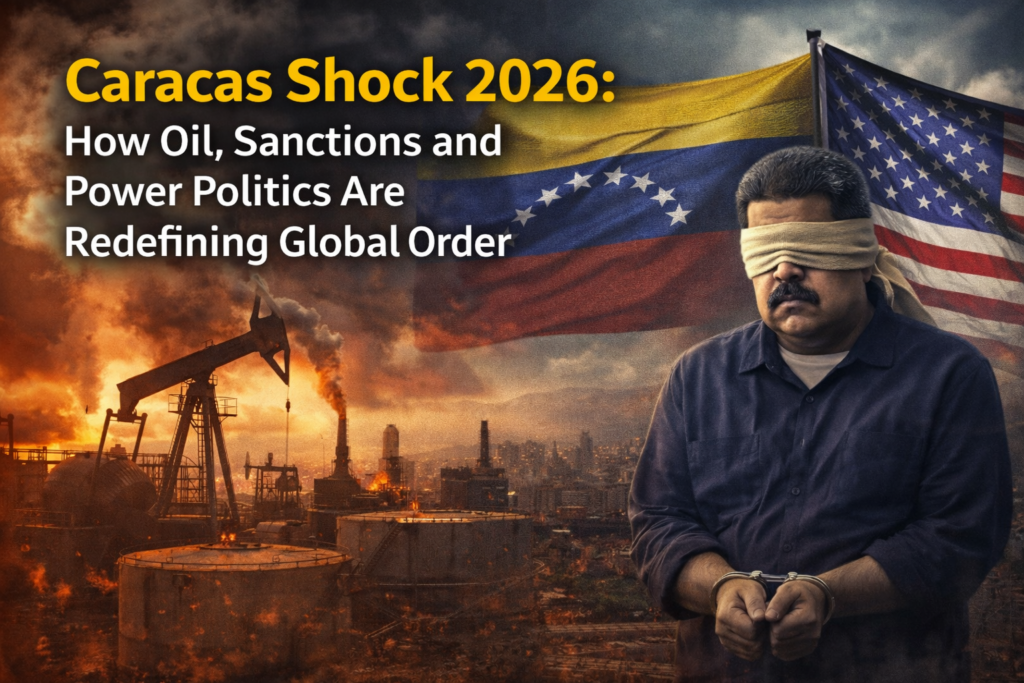
The images that spread rapidly online—most notably a Truth Social post showing Nicolás Maduro blindfolded and handcuffed—were designed to send a message far beyond Caracas. The symbolism was blunt: this was not diplomacy, not mediation, and not regime pressure through sanctions. It was a physical act meant to signal the forceful return of hemispheric dominance often associated with the Monroe Doctrine.
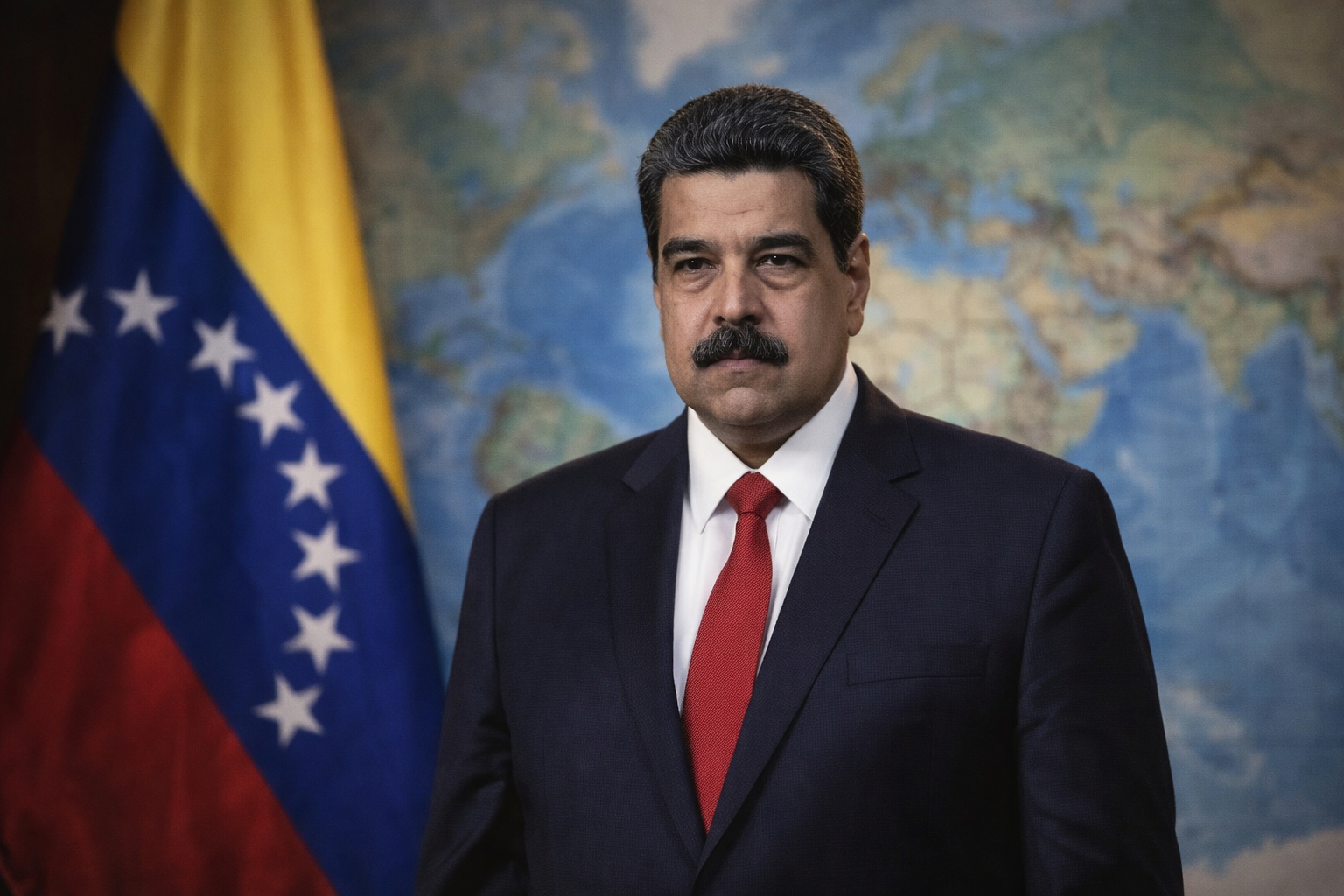
According to early briefings circulating in Washington and Latin American security circles, the operation—reportedly named Operation Absolute Resolve—targeted the Fuerte Tiuna military complex, the heart of Venezuela’s defense establishment. The unit allegedly involved was United States Army Delta Force, an elite force usually associated with counter-terrorism, not head-of-state arrests. Even before all facts were verified, one thing was clear: the rules of engagement in geopolitics were being tested in real time.
2. Geopolitical Rationale: The “Narco-State” vs. “Sovereignty”
The official argument emerging from Washington was simple but explosive: this was not a war; it was an arrest. U.S. officials pointed to a long-standing New York federal court indictment accusing senior Venezuelan leadership of narco-terrorism and cocaine trafficking. In this framing, state sovereignty becomes secondary when a government itself is labeled a criminal enterprise.
This logic fits squarely within what many analysts call the Trump Doctrine 2.0—a move away from indirect influence toward direct administration of outcomes. The reported statement, “We will run it,” suggested a belief that instability, migration, and crime cannot be solved through diplomacy alone, but by controlling territory and institutions at the source.
On paper, Venezuela still has a constitutional chain of command. Vice President Delcy Rodríguez reportedly stepped in as acting president. However, Washington signaled that it does not recognize the legitimacy of the existing political apparatus at all. This creates a strange reality: a country with functioning ministries and armed forces, yet treated internationally as an entity without lawful sovereignty. That contradiction lies at the heart of the crisis.
U.S. Department of Justice (DOJ)
3. Geoeconomic Core: The Battle for the Orinoco Belt
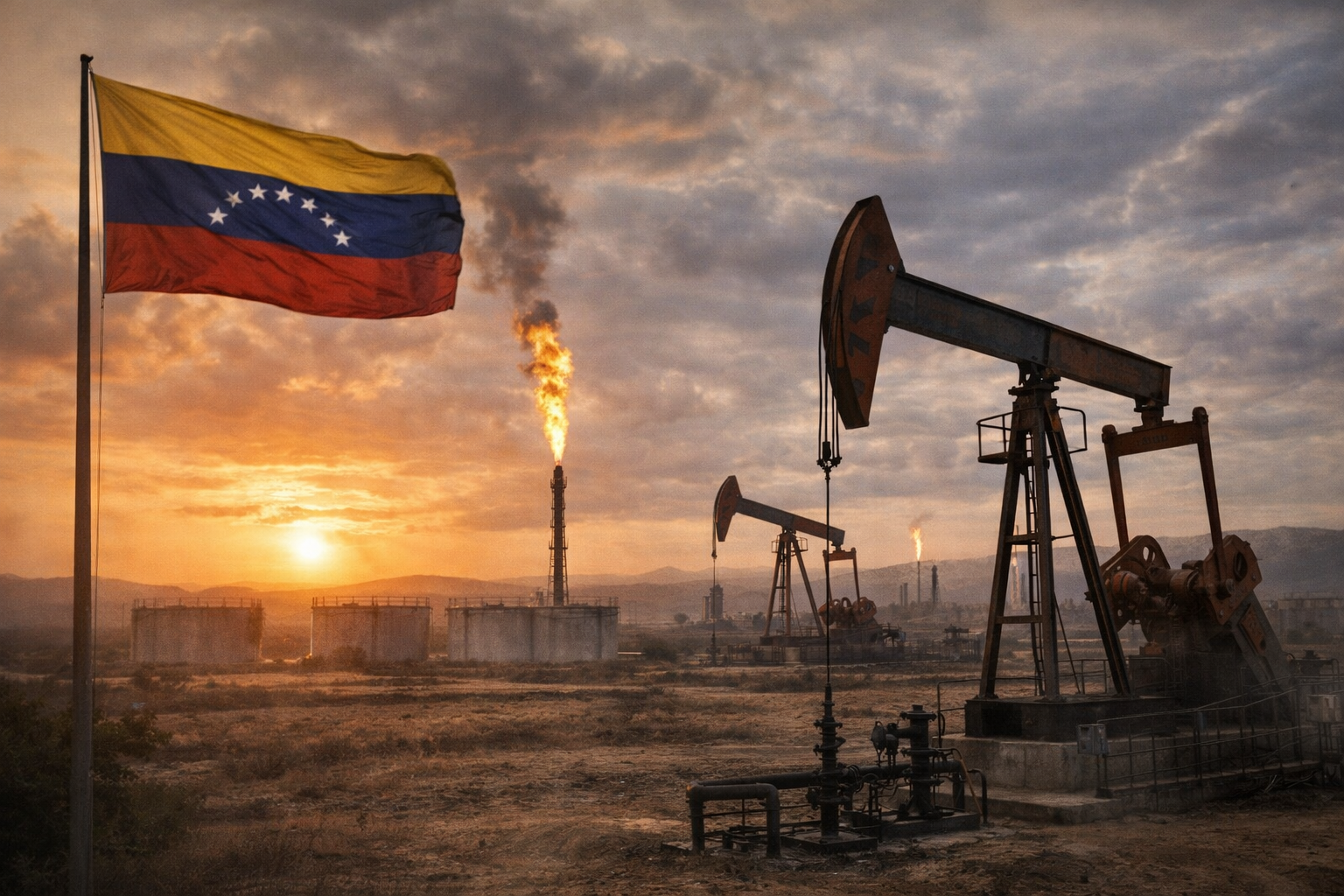
Beyond politics and law, the real gravity of Caracas lies underground. Venezuela holds an estimated 303 billion barrels of proven oil reserves, the largest in the world, mostly concentrated in the Orinoco Belt. These reserves are not light, easy oil. They are heavy-sour crude, difficult to process but extremely valuable to a specific set of refineries.
Here is the strategic twist. By 2025–26, U.S. shale production has shown signs of plateauing. Growth is slowing due to declining well productivity and capital discipline. Meanwhile, refineries along the U.S. Gulf Coast are specifically engineered to process heavy crude—exactly the kind Venezuela produces. From a purely industrial perspective, Venezuelan oil fits U.S. infrastructure better than most alternatives.
The deeper logic goes further. Venezuela’s current output is only about 1 million barrels per day, far below its potential. If production were restored and expanded under U.S. control, global oil supply could rise sharply. Analysts argue this could push Brent crude toward $50–$60 per barrel, a level that would severely squeeze the fiscal capacity of Russia and Iran, both heavily dependent on oil revenues to fund military operations. In this sense, oil becomes a weapon—not through scarcity, but through abundance.
U.S. Energy Information Administration (EIA)
4. India’s Critical Dilemma: Energy Security vs. Global Norms
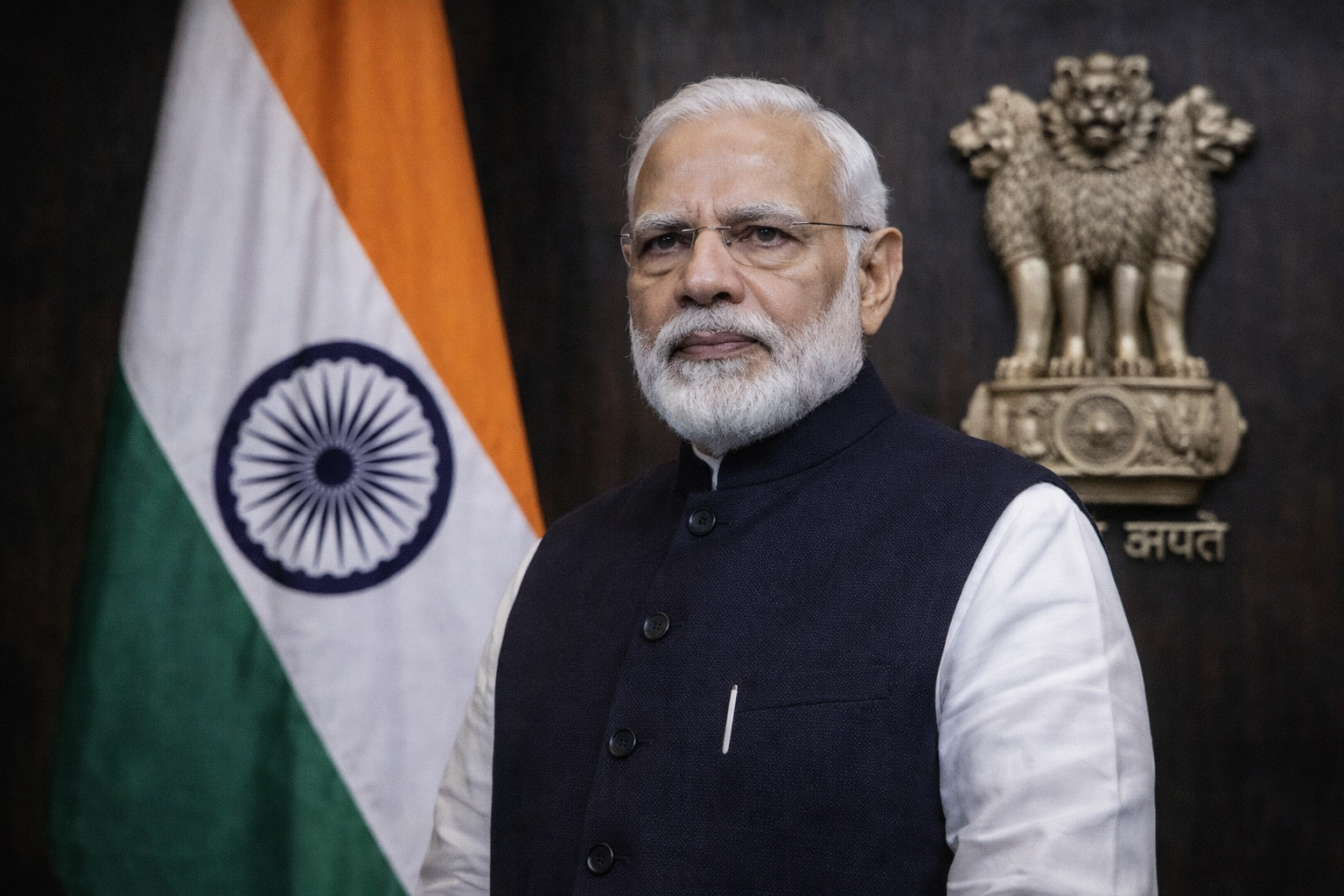
For India, the events in Caracas create a complex and uncomfortable dilemma. Officially, the Ministry of External Affairs expressed “deep concern”—a standard diplomatic phrase that signals disapproval without escalation. India has traditionally opposed unilateral military actions that bypass international institutions.
But India’s stake is not abstract. Indian refiners, especially Reliance Industries’ Jamnagar complex, are among the most sophisticated in the world. They are specifically designed to process heavy crude, including Venezuelan grades. Any long-term disruption or politicisation of Venezuelan supply affects India’s refining economics directly.
In the short term, India has a cushion. By 2025, nearly 50% of India’s crude imports were coming from Russia, providing price stability and supply security. However, an unstable Caribbean introduces new risks. Energy security is not just about barrels; it is about predictability. If resource-rich regions can be forcibly restructured, supply chains everywhere become more fragile.
Market Impact at a Glance
| Indicator | Pre-Operation | Current (Jan 4, 2026) | Trend |
|---|---|---|---|
| Brent Crude | $78.50 | $65.20 (volatile) | Down (long-term) |
| USD/INR | 88.40 | 89.92 | Depreciating |
| Gold | $2,450 | $2,580 | Safe-haven spike |
5. Global Reaction: The “Great Divide”
International response has exposed a deep fracture in global order. China and Russia condemned the operation as “international piracy,” arguing that it destroys the last remnants of sovereignty for weaker states. Their concern is not ideological sympathy for Caracas, but precedent. If this model is accepted, no resource-rich country outside Western alliances is fully safe.
The United Nations issued warnings about a “dangerous precedent,” noting that bypassing multilateral mechanisms undermines decades of international law. Yet, these statements lacked enforcement power, highlighting the growing irrelevance of global institutions when major powers act decisively.
On the other side, some governments quietly welcomed the move. Argentina under Javier Milei and certain European factions framed it as a necessary evil to end Venezuela’s long humanitarian collapse. For them, stability and migration control outweigh legal purity. This split response shows that the world is no longer debating whether power should be used—but who gets to use it.
6. Expert Logic & Predictions: Reading the Road Ahead
Short term, expect high volatility. Energy markets will swing on every rumour about Venezuelan production and internal resistance. Security experts warn of a possible low-intensity guerrilla conflict in Venezuela’s interior, which could delay any economic revival.
Mid term, the likely scenario is a reconstruction drive resembling a Marshall Plan, led by U.S. corporations such as Chevron and Halliburton. The goal would be to restore oil infrastructure, stabilise exports, and rebuild basic services—quickly and visibly.
Long term, the most important impact is normative. If narco-indictments become an accepted justification for regime change, the UN Security Council effectively becomes optional. Power shifts from international law to prosecutorial narratives backed by force. This is a profound change in how the world works.
7. Conclusion: The End of “Strategic Ambiguity”
The Caracas episode—whether fully confirmed in every detail or not—captures the direction of travel in global geopolitics. The age of strategic ambiguity, slow sanctions, and symbolic resolutions is fading. In its place is a harder logic where resources, security, and enforcement trump legal nuance.
This leaves the world with an uncomfortable question. In 2026, does sovereignty still protect nations that are rich in resources but weak in military power? Or has the global standard quietly shifted to a reality where control, not consent, defines legitimacy?
The answer to that question will shape not just Venezuela’s future—but the future of every country sitting on assets the world cannot live without.
❓ Frequently Asked Questions (FAQ)
1. What happened in Caracas in January 2026?
In early January 2026, Caracas became the center of a major geopolitical crisis after reports emerged of a U.S.-led operation targeting Venezuela’s political leadership. The event marked a sharp escalation from sanctions and diplomatic pressure to direct intervention, triggering global debate on sovereignty and international law.
2. Why is Venezuela so important geopolitically?
Venezuela is crucial because it holds the largest proven oil reserves in the world, mainly in the Orinoco Belt. Control over this oil directly affects global energy prices, supply chains, and the strategic balance between major powers like the U.S., Russia, and China.
3. What is the Orinoco Belt and why does it matter?
The Orinoco Belt is a massive oil-rich region in eastern Venezuela containing heavy crude oil. This type of oil is especially valuable to complex refineries in the U.S. Gulf Coast, India, and parts of Asia. Whoever controls production there gains strong influence over global oil markets.
4. How does the Caracas crisis affect global oil prices?
The crisis initially caused volatility, but expectations of increased Venezuelan oil output pushed prices downward. If production rises significantly, global oil prices could remain lower for longer, putting pressure on oil-dependent economies such as Russia and Iran.
5. What is the U.S. justification for its actions in Venezuela?
The U.S. argues that its actions are based on law enforcement and national security concerns, including allegations of narco-trafficking and state-sponsored crime. Critics counter that this bypasses international institutions and weakens the concept of national sovereignty.
6. How have China and Russia reacted to the Caracas events?
China and Russia strongly condemned the operation, calling it a dangerous precedent. Their concern is that if regime change can be justified through criminal indictments, any resource-rich country outside Western alliances could face similar action in the future.
7. What does this mean for international law and the United Nations?
The Caracas episode highlights the declining influence of international institutions like the UN. When major powers act without Security Council approval, enforcement of international law becomes selective, raising questions about the future of the rules-based global order.
8. How is India affected by the Venezuela crisis?
India is affected mainly through energy markets. Indian refineries are designed to process heavy crude like Venezuela’s. While India currently relies heavily on discounted Russian oil, long-term instability in the Caribbean could increase energy risk and price uncertainty.
9. Could Venezuela see a reconstruction or recovery plan?
In the medium term, analysts expect a U.S.-led reconstruction effort focused on restoring oil infrastructure, exports, and basic services. This could involve major Western energy companies and financial institutions, similar to post-conflict rebuilding models seen elsewhere.
10. Does the Caracas crisis set a new global precedent?
Yes. Many experts believe this marks a shift where power and enforcement override diplomacy, especially in countries with valuable resources but weak military deterrence. This could redefine how sovereignty is respected in the 21st century.
11. Will similar interventions happen in other regions?
While not guaranteed, the precedent increases risk for other fragile, resource-rich states. Future interventions may increasingly rely on legal, economic, and security narratives rather than traditional war declarations.
12. Is the global order moving away from diplomacy?
The Caracas shock suggests a move toward transactional geopolitics, where energy security, migration control, and economic stability outweigh diplomatic norms. Negotiation still exists, but force is increasingly used as a policy tool.
🔍 People Also Ask
What triggered the Caracas shock in 2026?
The Caracas shock was triggered by a sudden escalation in U.S. actions against Venezuela, moving beyond sanctions and diplomatic pressure to direct intervention. The move was justified on security and legal grounds but sparked global debate over sovereignty and international law.
Why is the Orinoco Belt central to global geopolitics?
The Orinoco Belt holds the world’s largest proven oil reserves. Control over this region can influence global oil supply, prices, and energy security, making it strategically important for major economies and energy-dependent nations.
How does Venezuela’s oil affect global energy markets?
Venezuelan oil is mostly heavy crude, which is essential for many advanced refineries. Any increase or disruption in its production can quickly shift global oil prices and impact countries reliant on energy exports or imports.
Does the Caracas crisis weaken national sovereignty?
Many analysts believe it does. If major powers act unilaterally in resource-rich states, sovereignty may depend more on military and economic strength than on international law or UN protections.
How have oil prices reacted to the Venezuela situation?
Oil prices initially became volatile but later moved lower as markets priced in the possibility of increased Venezuelan supply. Long-term prices will depend on how quickly production is restored and political stability returns.
What role does the United States play in Latin America today?
The U.S. continues to play a dominant role through economic influence, security partnerships, and energy strategy. Recent actions suggest a shift toward more direct involvement when strategic interests are at stake.
Why are China and Russia concerned about the Caracas events?
China and Russia worry that the precedent allows powerful nations to bypass international institutions. This could expose other resource-rich countries to similar pressure or intervention in the future.
How does the Caracas shock impact India?
India is affected indirectly through oil markets and global stability. Indian refineries depend on heavy crude, and long-term instability in oil-producing regions can increase energy costs and supply risks.
Is this a turning point for the global order?
Many experts see the Caracas shock as a turning point where power politics increasingly override diplomacy. It signals a shift from rules-based systems toward interest-driven enforcement.
Could similar interventions happen again?
Yes. If this approach is accepted internationally, future interventions may rely more on legal accusations and strategic interests rather than multilateral approval.