1) What is SIR? A Simple and Clear Explanation (100+ words)
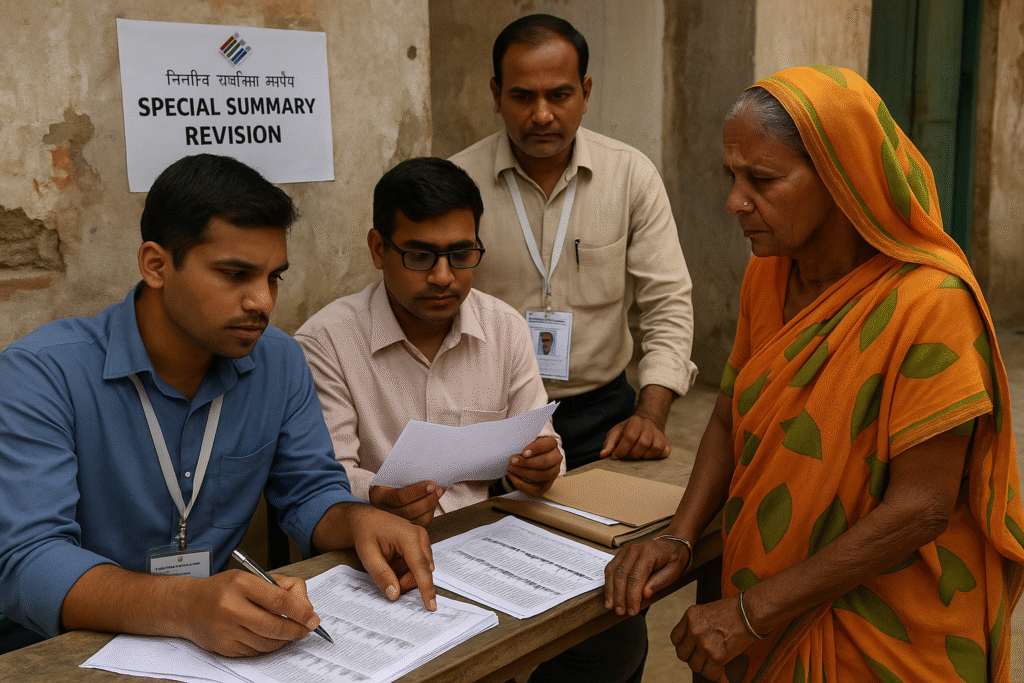
The term SIR, short for Special Intensive Revision of electoral rolls, refers to a large-scale verification exercise conducted under the supervision of the Election Commission of India (ECI). Its purpose is to ensure that voter lists are accurate, updated, and free from errors such as duplicate entries, names of deceased persons, fake voters, or migrants who have moved away. While normal electoral roll updates happen annually, SIR is far more rigorous. It involves door-to-door verification, document checks, and real-time corrections at the booth level. Because voting rights affect elections directly, SIR becomes politically sensitive. Any addition or deletion in the list can change constituency-level outcomes, making SIR both an administrative necessity and a political flashpoint. Many citizens misunderstand SIR as linked to NRC or CAA, but technically, SIR is strictly an electoral revision exercise. Still, fear, misinformation, and poor communication often turn SIR into a social and political storm.
2) Why SIR is Being Conducted: The Administrative and Political Reasons (100+ words)
SIR is typically conducted when the Election Commission believes the existing electoral rolls are outdated or contain large inaccuracies. This could be due to high migration rates, urban expansion, outdated records, or demographic shifts. Administratively, clean voter lists strengthen democracy — avoiding bogus voting, fraud, impersonation, and electoral malpractice. Politically, however, SIR arrives at sensitive times, especially close to elections. This leads opposition parties to question the timing, fearing that voter deletions may disproportionately affect certain communities or political strongholds. On the other hand, governments argue SIR is essential to maintaining transparent elections. In many cases, SIR is also triggered after court instructions, public complaints, media investigations, or suspicion of inflated voter numbers in certain districts. The core goal, according to the ECI, is to ensure that only eligible Indian citizens vote, and that no genuine voter is denied the right to vote due to outdated records.
3) What the Law Says — Legal Provisions Governing SIR (100+ words)
SIR does not exist as a separate law; instead, it operates under the broad constitutional and statutory powers given to the Election Commission. The main legal foundation comes from the Representation of the People Act (RPA), 1950, which allows the ECI to prepare, update, and revise electoral rolls at any time it feels necessary. The RPA 1950 Rule 21A and Election Rules 1960 empower field officers to include or delete names based on on-ground verification. Courts, including the Supreme Court, have repeatedly upheld the ECI’s independent authority while mandating fairness, transparency, and non-discrimination. Legally, no voter can be removed without being given a chance to respond through claims and objections. Citizens can appeal deletions, demand corrections, and request re-verification. The law is clear: every Indian citizen has the fundamental right to be included in the electoral roll, and SIR must follow due process without harassment or wrongful exclusion.
4) How SIR Was Conducted in Bihar — Process and Ground Reality (100+ words)
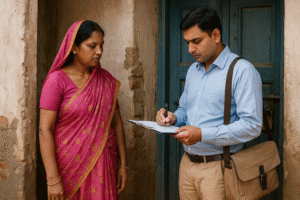
Bihar became a major testing ground for SIR. The exercise involved thousands of Booth Level Officers (BLOs) visiting households with forms, verifying documents, and taking signatures of residents. Public notices were issued, draft rolls were published, and objections were accepted at designated centers. However, Bihar’s on-ground experience was mixed. In urban areas, the process was smoother due to better awareness and documentation. But in rural districts, many people complained of poor communication, short deadlines, and confusion about required documents. Some households claimed BLOs skipped visits, while others felt harassed for proof they did not have readily available. The state also saw protests, rallies, and clashes where political parties accused each other of influencing the process. Despite administrative claims of success, Bihar’s SIR exposed serious challenges in implementing such massive exercises across diverse socio-economic backgrounds.
5) Outcome of Bihar SIR — What Changed and What It Means (100+ words)
Bihar’s SIR led to both large-scale deletions and significant new additions to the voter list. Many deceased persons, duplicate entries, and out-migrated voters were removed, while thousands of first-time voters aged 18+ were added. But the political debate overshadowed the numbers. Opposition parties alleged selective deletion of minority and backward community voters. The government countered that all deletions were legally justified and backed by field verification. The final draft rolls showed noticeable changes in several constituencies, triggering concerns about whether such rapid revisions could disenfranchise legitimate voters. The ECI maintained that all corrections went through the due claims-and-objections window. However, independent analysts pointed out gaps in communication, particularly in low-literacy districts, where many citizens did not even know how or where to reapply. Bihar’s SIR became a national headline — not just for its results, but for its political and social implications.
6) Government vs Opposition Reactions in Bihar — The Political Battle (100+ words)
The Bihar government defended SIR as a necessary and legally mandated clean-up exercise, accusing the opposition of creating fear for political gains. Several ministers stated that the state only followed Election Commission guidelines and that any citizen with valid documents had nothing to fear. The opposition, however, argued the process was rushed, poorly communicated, and disproportionately targeted marginalized groups. They held protest marches, submitted memorandums to the ECI, and raised the issue in the media. Public opinion also became divided — some welcomed the clean-up, while others felt uneasy about officers demanding documents abruptly. Analysts noted that Bihar’s SIR became a proxy war for larger identity politics, fueling narratives around citizenship, rights, and political influence. The intense debate made Bihar the center of national attention and indirectly influenced how other states prepared for their own SIR rounds.
7) States Conducting SIR After Bihar — The Spread to Other Regions (100+ words)
Once Bihar’s SIR concluded, several other states began or prepared for similar intensive revision drives. States experiencing high migration or upcoming elections were prioritized. Among these, West Bengal became the most controversial due to its border districts, demographic complexity, and existing political tension. Other states where SIR discussions gained traction included Assam, parts of Uttar Pradesh, Jharkhand, and Tripura — all regions with historical debates around voter identity and migration. The ECI maintained that SIR was not politically targeted but part of a nationwide improvement strategy. However, opposition parties in multiple states expressed fear that SIR could be used selectively. Civil society groups demanded better public outreach, multilingual notices, and longer verification deadlines. This nationwide spread marked SIR as not just an administrative campaign but a politically charged issue touching the core of India’s electoral system.
8) What Is Happening in West Bengal — The SIR Flashpoint (100+ words)
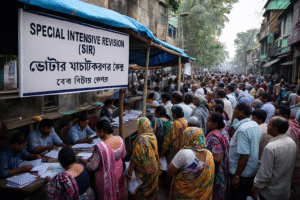
West Bengal’s SIR became one of the most dramatic events in recent years. The verification drive triggered widespread panic in border districts such as North 24 Parganas, Malda, Murshidabad, and Dinajpur. Fear spread through WhatsApp forwards and social media claiming SIR was linked to NRC-style scrutiny. Many households lined up outside SIR camps, while others reportedly moved temporarily to Bangladesh to avoid verification. The state government accused the ECI of mishandling communication and creating psychological fear among minorities. The ruling party argued the exercise was politically motivated and meant to influence electoral demographics. The opposition countered that the state government was spreading misinformation to protect illegal migrants. This clash created an atmosphere of distrust, making SIR in West Bengal intensely emotional and politically explosive.
9) Political Statements and Public Messaging — How Leaders Shaped the Narrative (100+ words)
SIR’s rise as a national controversy was shaped heavily by political statements. Leaders from ruling parties argued that SIR was essential for protecting the sanctity of Indian elections and removing illegal or fake voters. They emphasized that genuine citizens had nothing to worry about. Opposition leaders accused the government of weaponizing voter verification to target minorities, migrants, and politically weaker communities. Strong statements from West Bengal Chief Minister Mamata Banerjee dominated headlines as she accused the ECI of acting under political pressure. Statements by central ministers, MPs, and regional leaders fueled the emotional atmosphere, making SIR not just a bureaucratic exercise but a fierce political battleground. Media debates, TV panel discussions, and social media narratives amplified the tension, often spreading confusion and misinformation.
10) Bangladesh Angle — How Bangladeshi Nationals Were Affected & Why Some Returned (100+ words)
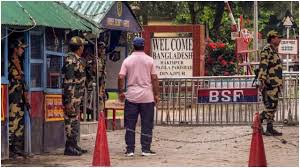
Reports from various media outlets indicated that some undocumented Bangladeshi migrants living in border areas fled back to Bangladesh fearing SIR would expose them. Some families crossed the border voluntarily; others temporarily moved to avoid scrutiny. Fact-checkers noted that not all viral videos were from India, but local authorities confirmed that fear-driven movement did occur. This highlighted how SIR, though technically an internal electoral exercise, had cross-border consequences in sensitive regions like West Bengal. The Bangladesh government maintained a cautious stance and avoided public confrontation, but local Bangladeshi media covered the events widely. Analysts noted that unless communication improves and verification becomes more citizen-friendly, such panic-driven actions may repeat. The Bengal SIR case demonstrates how administrative exercises can turn humanitarian, affecting not just Indian citizens but also undocumented populations and neighboring countries.