Introduction: UBL Faces a Challenging Quarter but Premium Strategy Holds Firm
India’s largest beer producer, United Breweries Limited (UBL) — maker of the iconic Kingfisher, Heineken, and Ultra brands — has reported its Q2 financial results for FY 2025-26, reflecting a mixed performance.
While revenue and profit saw pressure due to weather disruptions and higher excise duties, the premium beer segment continued to show double-digit growth, providing confidence in the company’s long-term strategy.
Let’s dive deep into the numbers, quarterly comparison, and management’s guidance for the coming quarters.
🧾 Financial Snapshot: Q2 vs Q1 FY2025-26 vs Q2 FY2024-25
| Particulars (₹ in crore) | Q2 FY2025-26 | Q1 FY2025-26 | Q2 FY2024-25 |
|---|---|---|---|
| Revenue from Operations | ₹3,736 | ₹5,380 | ₹4,742 |
| EBITDA | ₹530 | ₹850 | ₹790 |
| EBITDA Margin | 14.2% | 15.8% | 16.6% |
| Net Profit (PAT) | ₹47 | ₹184 | ₹132 |
| Earnings Per Share (EPS) | ₹0.34 | ₹1.32 | ₹0.94 |
| Volume Growth (YoY) | -3.4% | +11% | +5% |
| Premium Segment Growth | +17% | +15% | +13% |
Source: Company filings, media releases, and market reports (as of October 2025).
📊 Performance Overview: A Quarter of Mixed Trends
1. Revenue Decline Due to Soft Demand
UBL reported revenue of ₹3,736 crore for Q2 FY2025-26, down nearly 21% year-on-year, primarily due to lower volumes and weak monsoon-season sales.
Compared to ₹4,742 crore in Q2 last year, this quarter was impacted by unfavorable weather, higher excise duties, and softer consumer sentiment in key beer-consuming states such as Karnataka and Maharashtra.
2. Profit Falls Sharply, but Margins Hold Up
Net profit for the quarter fell to ₹47 crore, a steep drop from ₹132 crore in the same quarter last year.
However, despite the decline, operating margins (14.2%) were maintained at a respectable level, supported by premium product pricing, cost optimization, and tight control over logistics expenses.
3. Premium Segment Continues to Grow
The premium beer segment remains the highlight of the quarter.
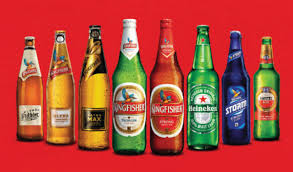
United Breweries’ brands like Kingfisher Ultra, Heineken Silver, and Kingfisher Ultra Max recorded 17% growth in volume, even as the overall market softened.
This reinforces UBL’s premiumisation strategy, aligning with India’s rising middle-class and premium beverage consumption trend.
4. Rural and Mass Market Volumes Under Pressure
The mass-market beer category saw muted demand due to monsoon disruptions, inflationary pressures, and lower rural consumption.
Volume decline in low-end SKUs pulled down the overall sales mix, but this was partially offset by higher realizations from premium products.
5. Exports and New Markets Support Diversification
UBL’s international business continued to contribute around 6% of total revenue, with exports to Southeast Asia and Africa showing modest growth.
The company also increased presence in tier-2 and tier-3 Indian cities, enhancing its distribution footprint.
💬 Management Commentary: Focus on Long-Term Growth
Mr. Rishi Pardal, Managing Director of United Breweries, commented on the results:
“Despite near-term headwinds, our premium brands continue to deliver strong growth. We are expanding capacity and product innovation to meet the evolving preferences of Indian consumers. The upcoming festive and summer seasons should drive recovery in volumes.”
The management remains confident about long-term prospects, backed by:
Sustained growth in the premium beer category
Expansion into new distribution territories
Increased investment in automation and digital sales
Focus on sustainability and water conservation initiatives
🔍 In-Depth Financial Analysis
A. Revenue Trend Analysis
UBL’s revenue drop this quarter was driven by a combination of unseasonal rainfall, higher excise duties, and regulatory changes in certain states.
However, value growth from premium products helped limit the impact. As per management guidance, revenue recovery is expected in Q3 and Q4, aided by the festive and winter demand.
B. Profitability Pressures
Despite cost savings in procurement and logistics, the company faced margin pressure due to declining volumes and increased raw material prices — particularly glass and barley.
Management expects margins to stabilize around 15-16% in H2 FY2025-26 as demand normalizes.
C. Capex and Expansion Plans
UBL invested approximately ₹293 crore this quarter in new bottling lines and capacity expansion in Uttar Pradesh and Odisha.
This will help the company cater to growing demand in North and East India while improving supply chain efficiency.
D. Balance Sheet & Cash Flow
United Breweries maintains a strong balance sheet, with low leverage (Debt-to-Equity < 0.4x) and consistent operating cash flow.
The company’s working capital cycle improved by 3 days YoY, reflecting better inventory management.
🍺 Segment-Wise Highlights
| Segment | Performance | Commentary |
|---|---|---|
| Premium Beer | +17% volume growth | Driven by Heineken Silver, Ultra Max, and Kingfisher Ultra |
| Mass Beer | -7% decline | Affected by weak monsoon and lower rural demand |
| Exports | +8% growth | Stronger sales in Southeast Asia & Africa |
| Distribution Expansion | +9% outlets added | Focus on tier-2 and tier-3 markets |
The premium segment now contributes 48% of total sales, up from 42% last year — a clear indicator that consumer shift toward higher-end products is sustaining.
⚙️ Operational Efficiency and Sustainability Efforts
UBL continues to focus on sustainable brewing, water efficiency, and green energy initiatives.
The company achieved:
50% of power from renewable sources
Improved water usage ratio to 2.3 liters per liter of beer produced
Reduced carbon footprint by 11% year-on-year
These efforts align with parent company Heineken’s global sustainability goals, positioning UBL as one of India’s most eco-efficient beverage producers.
📈 Market Outlook: What Lies Ahead for UBL
Despite a weak quarter, analysts remain optimistic about United Breweries’ long-term prospects.
Key Growth Drivers:
Rising urban consumption and preference for branded beverages
Expansion of premium portfolio
Regulatory normalization in key states
Higher out-of-home consumption (bars, pubs, events)
Tourism and hospitality recovery post-pandemic
Challenges:
High excise duties and frequent state-level tax revisions
Inflation in barley and glass packaging costs
Seasonal dependence impacting quarterly volumes
💼 Peer Comparison: United Breweries vs Competitors
| Company | Revenue (₹ crore) | EBITDA Margin | Net Profit Margin | Key Focus Area |
|---|---|---|---|---|
| United Breweries | 3,736 | 14.2% | 1.3% | Premium Beer, Heineken Expansion |
| Radico Khaitan | 4,210 | 16.5% | 8.2% | Spirits & IMFL Premiumization |
| Globus Spirits | 1,950 | 18.3% | 9.4% | Ethanol & IMFL |
| Carlsberg India (Private) | N/A | ~17% | N/A | Premium Lager |
UBL remains India’s beer market leader with over 52% market share, supported by its strong brand portfolio and Heineken’s global expertise.
🧭 Analyst View and Investor Sentiment
Following the Q2 FY2025-26 results, brokerages maintain a “Neutral to Positive” outlook on UBL.
While near-term profitability is under pressure, analysts believe the premium growth trajectory and brand dominance will continue to drive shareholder value.
Key Ratings Summary:
Motilal Oswal: “BUY” — Target Price ₹2,250; citing brand resilience.
ICICI Securities: “ADD” — Target ₹2,180; expects recovery in H2FY26.
HDFC Securities: “HOLD” — near-term weakness already priced in.
🏁 Conclusion: Premium Strength Offsets Short-Term Challenges
The Q2 FY2025-26 performance of United Breweries Ltd reflects a transitional phase for the company — short-term headwinds, but strong long-term fundamentals.
The continued growth in premium beer volumes and strategic investments in capacity and sustainability reinforce confidence in UBL’s business model.
As the festive and winter season approaches, improved consumption, easing input costs, and expanding premium portfolio are likely to lift upcoming quarters.
In summary:
Q2 was weak on profit, but premium growth remains encouraging.
The long-term story of UBL is intact — premiumisation, sustainability, and brand strength.