
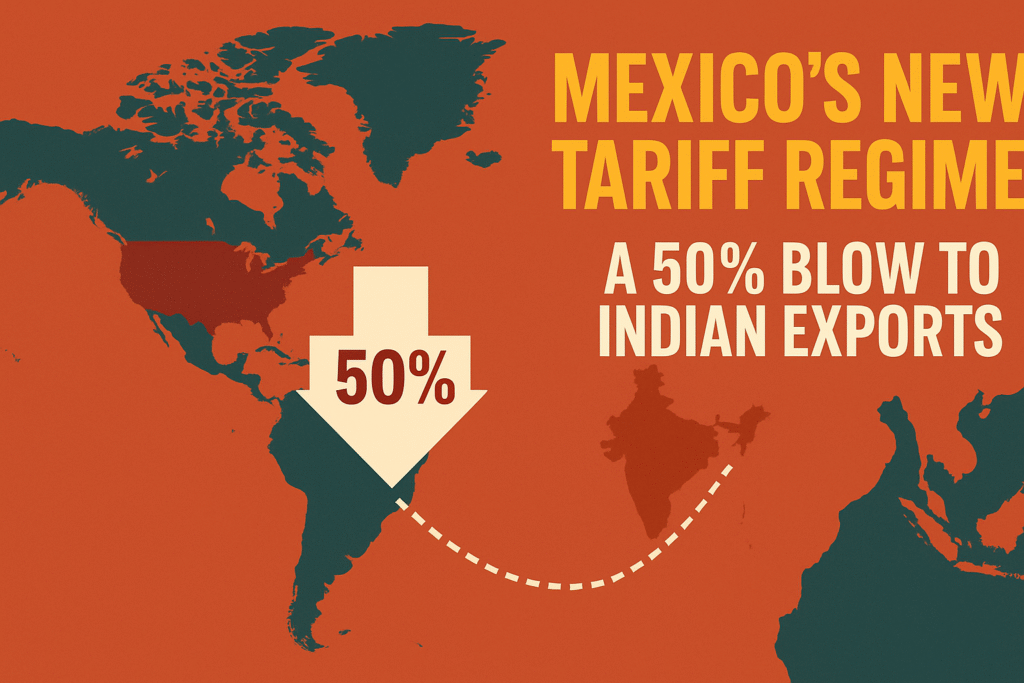
Mexico’s New Tariff Regime: A 50% Blow to Indian Exports and the Geopolitics Behind It
Introduction: A Tariff Shock with Global Consequences
Mexico’s latest decision to impose steep tariffs—ranging from 5% to 50%—on imports from countries without a Free Trade Agreement (FTA) has created a major shake-up in global trade circles. Effective from January 1, 2026, this new regime will impact nearly 1,400 product categories, directly hitting key Asian exporters like India, China, South Korea, Thailand, and Indonesia. For India, which exports close to $1 billion worth of affected products, the move is more than an economic setback. It is a loud reminder that geopolitics increasingly shapes global commerce, and countries must now navigate not just markets but power blocs.
What Exactly Happened? Understanding Mexico’s Tariff Raise
Mexico has approved a sweeping tariff structure that pushes duties up to 50% on a wide range of imported goods from non-FTA nations. Items such as automobiles, auto components, steel, aluminum, textiles, apparel, plastics, footwear, and chemicals fall directly under the new tariff slab. These higher duties instantly erase the competitive edge enjoyed by countries like India, where lower production costs made exports attractive in the Mexican market. The underlying message behind this decision is crystal clear: if you want long-term access to the Mexican market, consider producing within Mexico or the broader North American region.
Why India Is Among the Hardest Hit Exporters
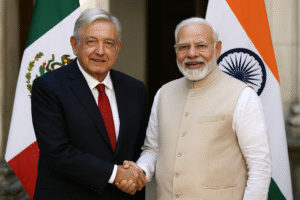
India faces a disproportionately high impact because many of its fastest-growing export categories fall exactly within the new tariff list. Passenger vehicles, one of the star performers in India’s export basket, now face tariffs jumping from roughly 20% to 50%. Mexico happens to be India’s second-largest car export destination, making this tariff hike a direct hit to Indian automakers like Maruti Suzuki, Hyundai, and Volkswagen India. Auto components, another major export sector, will now face 25%–50% duties, disrupting finely tuned supply chains. Sectors like steel, iron, textiles, and footwear—where India had been gradually expanding market share—will also suffer as tariffs rise to 35–40% for metals and 30–35% for apparel and footwear. India has responded with a diplomatic push, exploring options such as a “partial scope agreement” to secure exemptions for critical sectors.
Winners and Losers in Mexico’s New Tariff Landscape
The tariff shift creates a very clear divide between beneficiaries and those bearing the brunt of the decision. On the winning side, Mexican domestic industries—especially those in steel, textiles, and basic manufacturing—gain strong protection from lower-priced Asian imports. The Mexican government also benefits from increased revenue, which is expected to help narrow its fiscal deficit. Perhaps the biggest silent winner is the United States, whose long-standing demand for Mexico to block Chinese “backdoor” entry into North America now finds expression in this tariff structure.
On the losing side, Indian exporters face almost immediate competitiveness loss. Mexican consumers will likely pay more for everyday goods, from cars and clothing to electronics. Chinese exporters, who were arguably the principal target of the policy, will face the steepest decline in market access. Overall, the move restructures Mexico’s import dynamics, shrinking the space for Asian suppliers unless they invest locally.
The Geopolitical Angle: The Real Reason Behind the Tariff Hike
While the tariff policy appears economic on the surface, its real motivations lie in geopolitics. With Donald Trump returning to the White House, Mexico is taking pre-emptive steps to avoid friction with Washington. Trump has long criticized Mexico for allowing Chinese goods to enter the U.S. through Mexican assembly lines. By imposing high tariffs on non-FTA Asian imports, Mexico is effectively proving its loyalty to the North American trade bloc.
Another major driver is the upcoming 2026 USMCA (United States-Mexico-Canada Agreement) review, where all three members will renegotiate terms. Mexico wants to enter those talks with strong goodwill in Washington, and this tariff move serves as a diplomatic signal of alignment with U.S. interests. The Chinese transshipment loophole has been a constant irritation for the U.S., and Mexico’s tariff hike closes that door tightly. Unfortunately, India becomes a collateral casualty—not the intended target, but caught in the sweep because it does not yet have a trade agreement with Mexico.
How Major Countries Reacted to the Tariff Shock
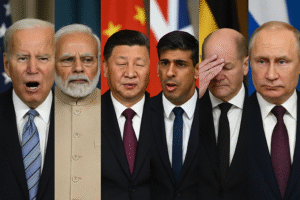
China responded sharply, calling the decision “unilateral and protectionist,” and hinting at potential legal challenges through the World Trade Organization. The United States, on the other hand, expressed quiet approval, as the policy aligns perfectly with America’s goal of reducing reliance on Chinese supply chains and encouraging nearshoring. India adopted a balanced and diplomatic tone, pushing for exemptions and highlighting that unlike China, India does not pose a security or industrial threat to North American markets. New Delhi’s immediate focus is to safeguard sectors like automobiles, textiles, and steel from long-term damage.
What This Means for Indian Businesses: Short-Term Pain and Long-Term Strategy
In the short term, Indian companies must brace for significant margin pressure and an immediate drop in export volumes. Many exporters will now explore alternate destinations in Africa, Latin America, and the Middle East to absorb the diverted output. The medium-term solution lies in nearshoring—setting up assembly units or manufacturing partnerships in Mexico itself. Doing so would allow Indian products to qualify as “North American” under USMCA rules, bypassing the tariff shock entirely.
To visit USMCA official website click here
In the long run, India must rethink its export strategy. The global trade landscape is shifting from open globalization to regionalization, where countries increasingly depend on trade blocs. Whether it’s the European Union, RCEP, or USMCA, being inside a bloc matters more than ever. India’s exporters can no longer rely solely on low-cost production at home; they must integrate into regional value chains through investment, joint ventures, and local manufacturing.
Pakistan’s $686 Million F-16 Upgrade Explained: How U.S. Aid, Repairs and Geopolitics Impact India Read More
Conclusion: A Political Move with Deep Economic Ripples
Mexico’s tariff hike is fundamentally a political gesture, disguised as an economic policy. It signals strategic loyalty to Washington, closes routes for Chinese imports, and strengthens Mexico’s position ahead of the USMCA review. For India, the lesson is clear: the global trading system is shifting rapidly, and surviving in a protectionist world demands more than competitive pricing. It requires strategic placement, local partnerships, and active geopolitical alignment. Exporting from afar without local presence is no longer enough. In the new age of tariff walls and power blocs, Indian companies must adapt fast—or risk losing access to key global markets.







1 thought on “Mexico Imposes 50% Tariffs on Indian Exports: Full Impact, Geopolitics & Market Outlook”