I. The Grand Bazaar’s Silent Shutters
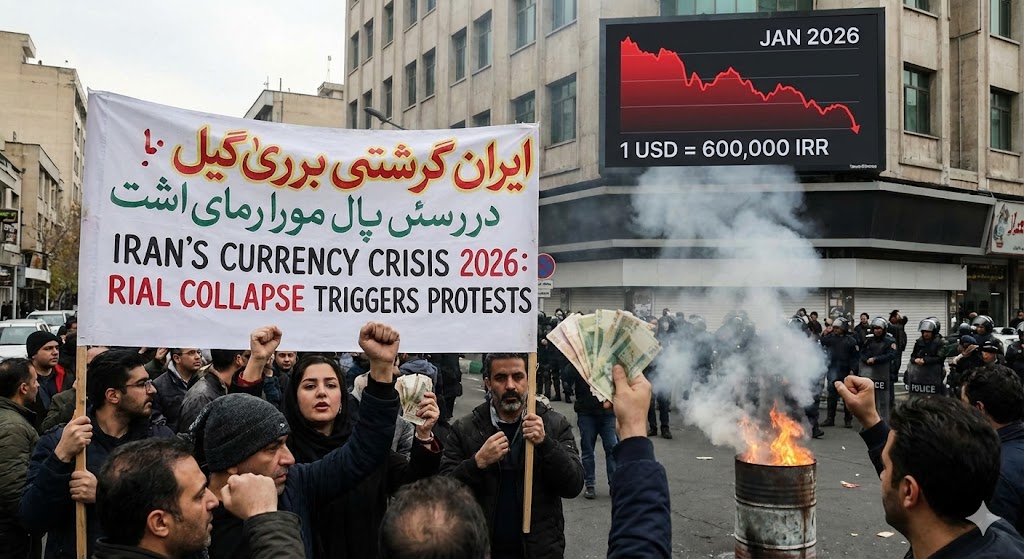
On December 28, 2025, something deeply symbolic happened in Tehran. The Grand Bazaar, the centuries-old heart of Iran’s economy, shut its shutters. Not for a holiday. Not for mourning. But in protest. As of January 6, 2026, the closures and strikes have stretched into their 10th straight day, spreading across major cities including Isfahan, Mashhad, Shiraz, and Tabriz.
The trigger is brutally simple: the Iranian Rial collapsed to nearly 1.45 million per US dollar, the weakest level in the country’s modern history. That represents roughly a 40% fall since the short but intense 2025 “12-Day War”, when regional tensions briefly exploded and then settled without relief for ordinary Iranians.
In Iran’s political history, the Bazaar is more than a marketplace. It is a barometer of regime stability. Merchants do not strike easily. They did so during the 1979 revolution, during moments of severe economic stress, and now again in 2026. When Bazaar traders stop trading, it signals that the social contract between the state and society has broken down. People are no longer protesting abstract ideas. They are protesting because daily life has become unaffordable.
Central Bank of Iran (CBI)
II. The Geoeconomic Numbers: A Math of Despair
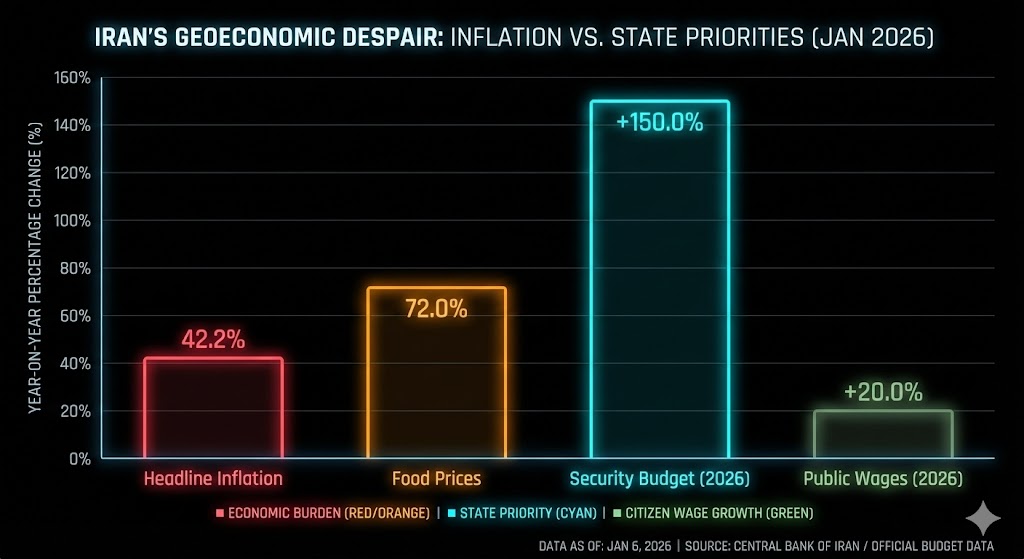
Behind the street anger lies cold arithmetic. Inflation in December 2025 touched about 42.2%, according to multiple domestic estimates. For food items—rice, cooking oil, bread, meat—the picture is far worse. Food inflation is running close to 72% year-on-year. For millions of households, wages have not kept pace even remotely.
The situation became explosive after President Masoud Pezeshkian presented the 2026 national budget. The numbers stunned even loyalists. Security and internal enforcement spending jumped by around 150%, while public-sector wage hikes averaged just 20%. In simple terms, the state chose batons over bread.
United Nations (UN)
Then came the “Snapback” factor. In September 2025, UN sanctions were formally reimposed under the snapback mechanism, cutting Iran off from remaining loopholes it used to sell oil through shadow fleets and indirect markets. For years, Iran survived by offering discounted crude to buyers willing to risk sanctions. Snapback did not just reduce volume; it destroyed payment channels, choking dollar access entirely.
Without dollars, the Rial had no floor. Importers could not price goods. Wholesalers stopped extending credit. Retailers raised prices daily. This is why protests in 2026 feel different. They are not about frustration. They are about economic suffocation.
Statistical Center of Iran
III. Geopolitical Backdrop: The Scars of 2025
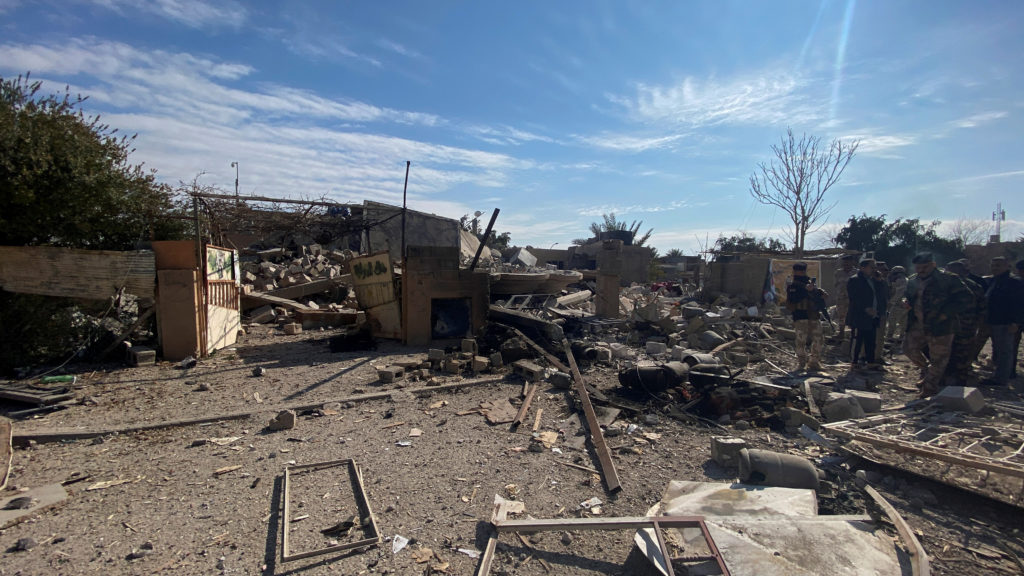
The economic crisis did not emerge in isolation. It sits atop the psychological damage of 2025, when Iran faced targeted strikes by Israel and the United States. While officially limited, those attacks damaged air-defense systems and facilities linked to Iran’s nuclear and missile programs.
For many Iranians, the takeaway was harsh: the state appeared weak abroad but harsh at home. This perception matters. People may endure poverty if they believe the country is strong and sovereign. They revolt when they feel humiliated externally and repressed internally.
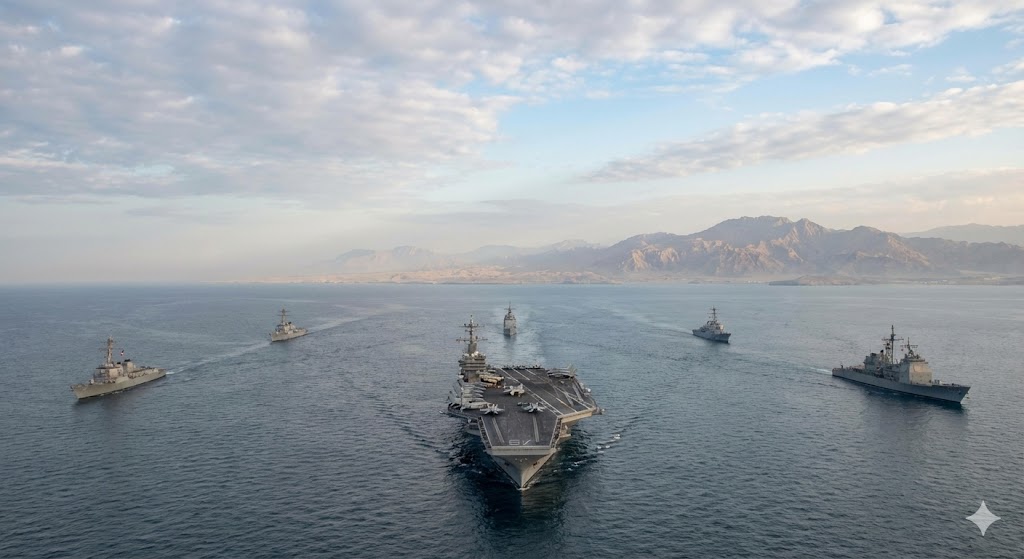
There is also a renewed Trump factor in 2026. Washington’s posture has shifted toward what analysts call “Maximum Pressure 2.0.” Unlike 2022, when protests after Mahsa Amini’s death faced rhetorical support but limited strategic backing, the current US signals are sharper. Sanctions enforcement is tighter. Diplomatic language hints more openly at systemic change rather than reform.
This external pressure has emboldened protesters. The belief on the streets is simple: the regime is cornered. History shows that revolutions often ignite not when people are weakest, but when they sense power is slipping.
IV. Government Response: Coercion vs. Capacity

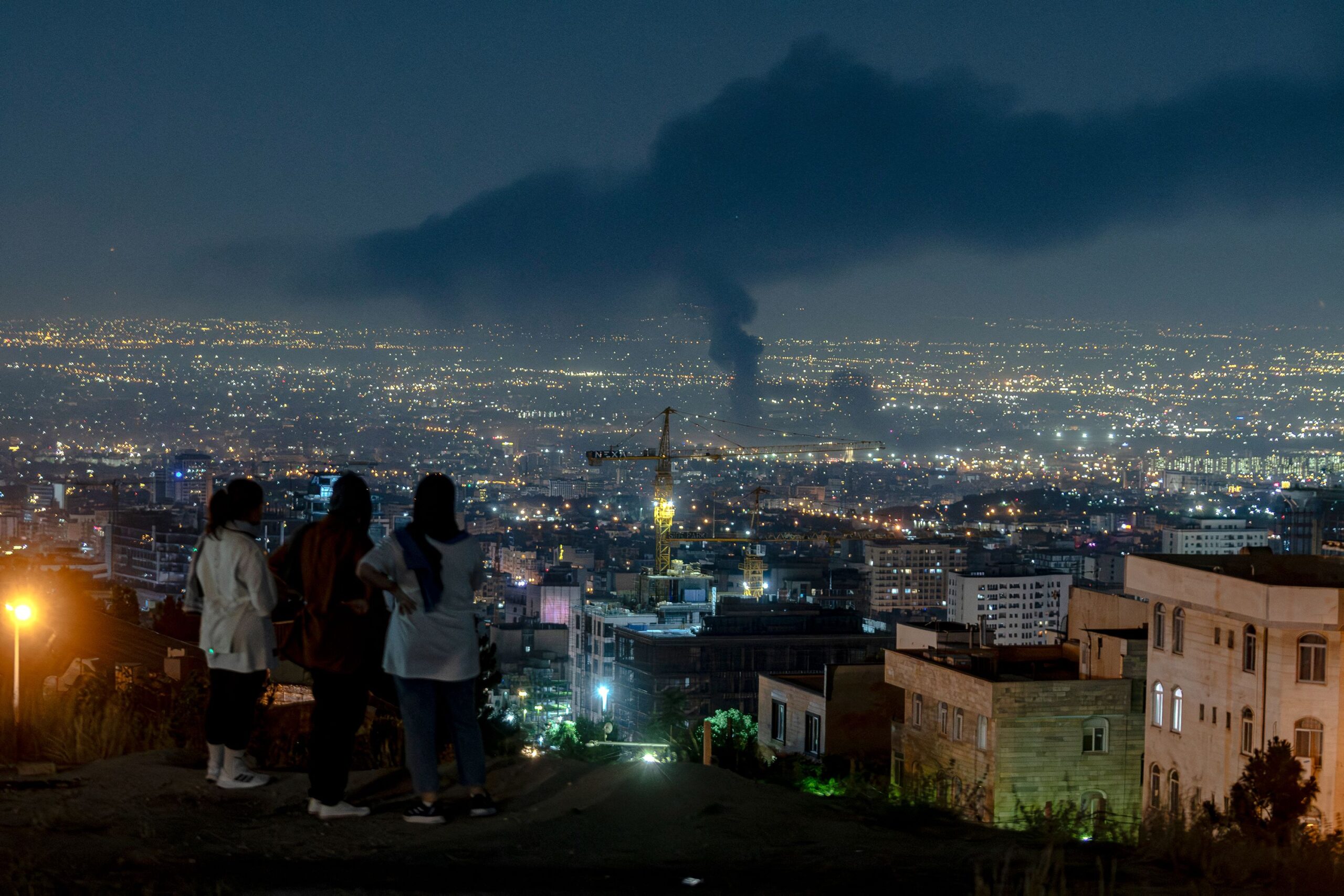
The state’s response has been swift and violent. As of January 6, at least 31 people are reported dead, with over 1,200 arrests nationwide. In provinces such as Lorestan and areas around Azna, security forces linked to the Islamic Revolutionary Guard Corps have reportedly used live ammunition.
What makes this phase dangerous is internal division. President Pezeshkian has publicly acknowledged that Iranians have constitutional rights to protest. His statements suggest concern that repression alone cannot solve an economic collapse. The IRGC, however, sees unrest through a security lens, treating it as a foreign-backed threat requiring force.
This split exposes a deeper truth. Iran’s state has limited capacity, even if it has coercive power. A regime that spends its last reserves on missiles, drones, and internal security—while citizens face water shortages, electricity cuts, and empty pharmacies—loses moral authority. This is not just a protest crisis. It is an existential legitimacy crisis.
V. The Global Energy Impact: The “Silent” Oil Market
One question dominates global markets: why hasn’t oil exploded to $150 per barrel? Iran sits on massive reserves, and unrest in the Middle East usually scares traders. Yet Brent crude has remained relatively contained.
There are three reasons. First, the US shale boom has reached record production levels, acting as a global buffer. Second, global demand is weak, especially in China and parts of Europe, where growth remains sluggish. Third, Iran’s exports were already constrained by sanctions; markets had priced in Iran’s absence long before protests began.
However, the real risk lies in geography, not production. Nearly 20% of the world’s oil flows through the Strait of Hormuz. If unrest turns into a prolonged insurgency, the IRGC may try to “internalize the cost” of domestic instability by threatening shipping. Even limited disruption would spike insurance costs and rattle energy markets instantly.
So far, Tehran has avoided this step. But history shows that when regimes feel cornered, external escalation becomes tempting.
U.S. Energy Information Administration (EIA)
VI. The India–Iran Trade Bottleneck
For India, the crisis is not theoretical. India has long balanced relations with Iran through trade and strategic projects like Chabahar Port. That investment now faces uncertainty. Any prolonged instability or harsher sanctions regime could slow port operations and logistics plans connecting India to Central Asia.
Trade is already suffering. India exports tea, basmati rice, pharmaceuticals, and engineering goods to Iran. In 2026, many Iranian importers simply cannot open letters of credit (LCs). Banks refuse exposure to the Rial, which loses value daily. Deals are collapsing not due to politics, but because currency risk has become unmanageable.
This matters beyond numbers. Iran was once a stable, predictable partner for Indian exporters. Its collapse into volatility forces India to rethink West Asian connectivity and diversify further—often at higher cost.
VII. Conclusion: Beyond the 10th Day
The protests of 2022 were about identity, dignity, and freedom. The unrest of 2026 is about survival. People are not chanting slogans alone; they are calculating grocery bills, rent, and medicine costs in a currency that melts overnight.
Iran now stands at a crossroads. One path leads toward a Chinese-style digital and physical lockdown, combining surveillance, financial controls, and brute force to suppress dissent. The other path is messier and slower: a fragmentation of state authority, where economic collapse erodes central control region by region.
The shuttered bazaars tell us one thing clearly. When merchants stop selling, they are not asking for reform. They are signaling that the system no longer works. Whether the Islamic Republic adapts, hardens, or fractures will shape not only Iran’s future—but the stability of an already fragile Middle East in 2026 and beyond.