

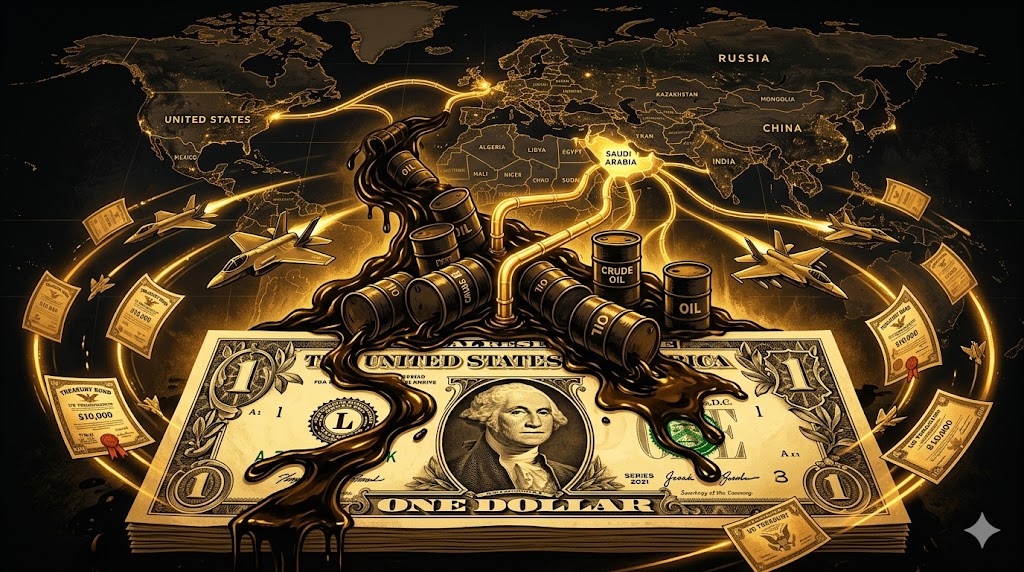
Have you ever wondered why the US dollar is so powerful? Why does almost every country in the world need dollars? Why can the United States borrow trillions and still have everyone line up to lend it money?
A huge part of the answer is just two words: the petrodollar.
It’s one of the most important — and least talked about — financial arrangements in modern history. And right now, in 2025 and 2026, it is changing faster than at any point in the last 50 years.
Let’s break it all down. Simply. Clearly. With real facts.
What Is the Petrodollar? (The Simple Explanation)
The word “petrodollar” combines two things: petroleum (oil) and dollar (the US currency). In the simplest terms possible:
This single fact creates a massive, never-ending global demand for US dollars. Every nation on Earth, every day, needs dollars to keep their lights on, their factories running, and their cars moving. That’s an enormous amount of power for one country to hold.
And it didn’t happen by accident. It was carefully constructed through one of the most consequential secret deals in financial history.
How Did the Petrodollar System Start? The 1974 US-Saudi Deal
To understand the petrodollar, you need to go back to the early 1970s — a time of crisis for both the United States and Saudi Arabia.
After World War II, 44 countries agreed to use the US dollar as the world’s reserve currency. Every dollar was backed by gold at $35 per ounce. The world trusted the dollar because the US had the most gold.
The US was spending enormous amounts on the Vietnam War and social programs. Other countries started converting their dollars into gold, draining US reserves. President Nixon closed the “gold window” — the dollar was no longer backed by gold. Suddenly, the world’s reserve currency was just… paper. Confidence in the dollar began to wobble.
Arab oil-producing nations declared an oil embargo against the US for supporting Israel in the Yom Kippur War. Oil prices quadrupled almost overnight. The US economy was in chaos. The dollar’s credibility was at one of its lowest points in history.
US Secretary of State Henry Kissinger flew to Riyadh and negotiated a landmark arrangement with Saudi Arabia. The terms were elegant and powerful: Saudi Arabia would price all its oil exports in US dollars only. Saudi Arabia would invest its massive oil revenues back into US Treasury bonds and dollar-denominated assets. In exchange, the US would provide military protection, advanced weapons, and a security guarantee to the Saudi royal family.
The rest of OPEC followed Saudi Arabia’s lead. Every major oil-producing nation agreed to sell oil exclusively in US dollars. The petrodollar system was now global — and the dollar’s position was saved, not by gold, but by oil.
IMF The Currency Composition of Official Foreign Exchange Reserves (COFER)
How Does the Petrodollar System Actually Work?
Let’s walk through the mechanics step by step. Once you see it, you’ll never forget it.
🔄 The Petrodollar Cycle — Step by Step
What Did This System Give the United States?
The benefits of the petrodollar system for America have been extraordinary. Some economists call it an “exorbitant privilege” — a term first used by French Finance Minister Valéry Giscard d’Estaing in the 1960s to criticize America’s unfair financial advantage.
| Benefit | What It Means in Plain Language |
|---|---|
| Cheap borrowing | The US can borrow money at very low interest rates because the whole world wants to hold dollars and buy US Treasury bonds. Lower rates mean cheaper mortgages and loans for Americans. |
| Trade deficit freedom | The US imports far more than it exports — normally a sign of economic weakness. But because the world needs dollars for oil, the US can run this deficit indefinitely without a currency crisis. |
| Military funding | The petrodollar system helped fund a US military presence in over 800 bases around the world — the largest in history — at a cost other countries simply couldn’t afford. |
| Sanctions power | Because oil is priced in dollars and financial transactions flow through US banks, the US can cut any country off from global trade by blocking their access to the dollar system. |
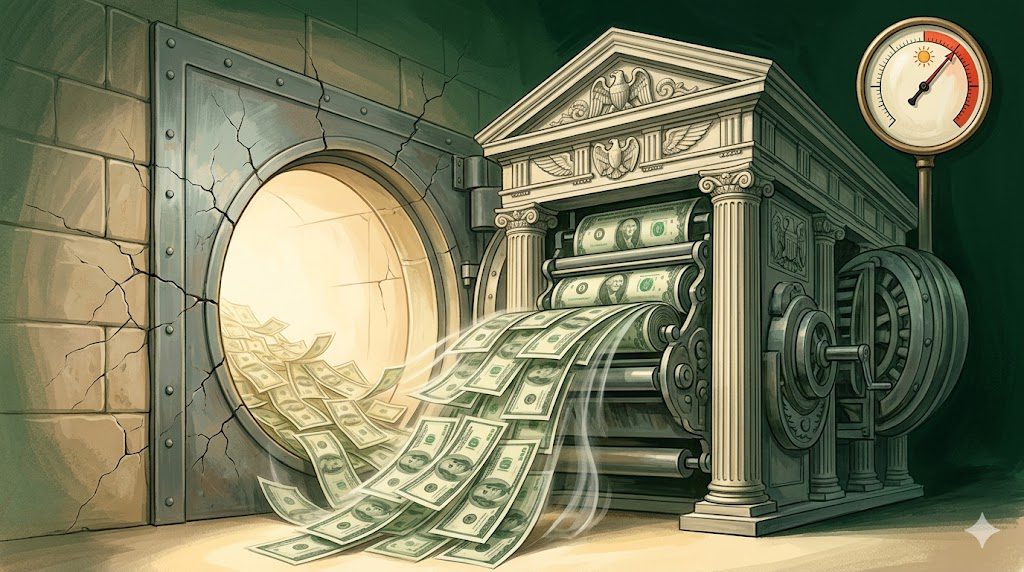
| Inflation export | When the US prints more dollars, the global demand for dollars absorbs much of the resulting inflation. The world effectively subsidizes US monetary policy. |
The Brookings Institution
The Darker Side: Geopolitics and the Petrodollar
The petrodollar system didn’t just create financial benefits — it also shaped geopolitics in ways that have affected millions of people around the world.
When countries tried to sell oil in currencies other than dollars, the consequences were often severe. Iraq’s Saddam Hussein switched to selling oil in euros in 2000, and Libya’s Muammar Gaddafi proposed a gold-backed African currency for oil trade — moves that preceded US-led military interventions that removed them from power. While many complex factors were at play in those conflicts, the message to the world was clear: the US would defend the petrodollar system fiercely.
Venezuela, which possesses the world’s largest proven oil reserves at 303 billion barrels, has been selling 100% of its oil exports to China with transactions settled in yuan since 2018 — making it another flashpoint in the ongoing struggle over petrodollar dominance.
Understanding this context helps explain why so many countries today — even US allies — are quietly working to reduce their dependence on the dollar system. It’s not just economics. It’s about sovereignty and self-protection.
The Petrodollar in 2025: What’s Actually Changing?
Here is where things get really interesting — and important. Because in 2024 and 2025, several major developments have shaken the petrodollar system simultaneously.
1. Saudi Arabia Let the 50-Year Deal Expire (June 2024)
On June 9, 2024, the 50-year understanding between the US and Saudi Arabia reportedly expired without renewal. This non-renewal empowers Saudi Arabia to accept a broader range of currencies — including the Chinese yuan, euros, Japanese yen, and Indian rupee — for its oil sales.
This is a historic shift. Saudi Arabia is now open to selling oil in other currencies. It hasn’t abandoned the dollar entirely — the vast majority of Saudi oil is still sold in dollars — but the exclusive arrangement is over.
2. China Is Building a Parallel Financial System
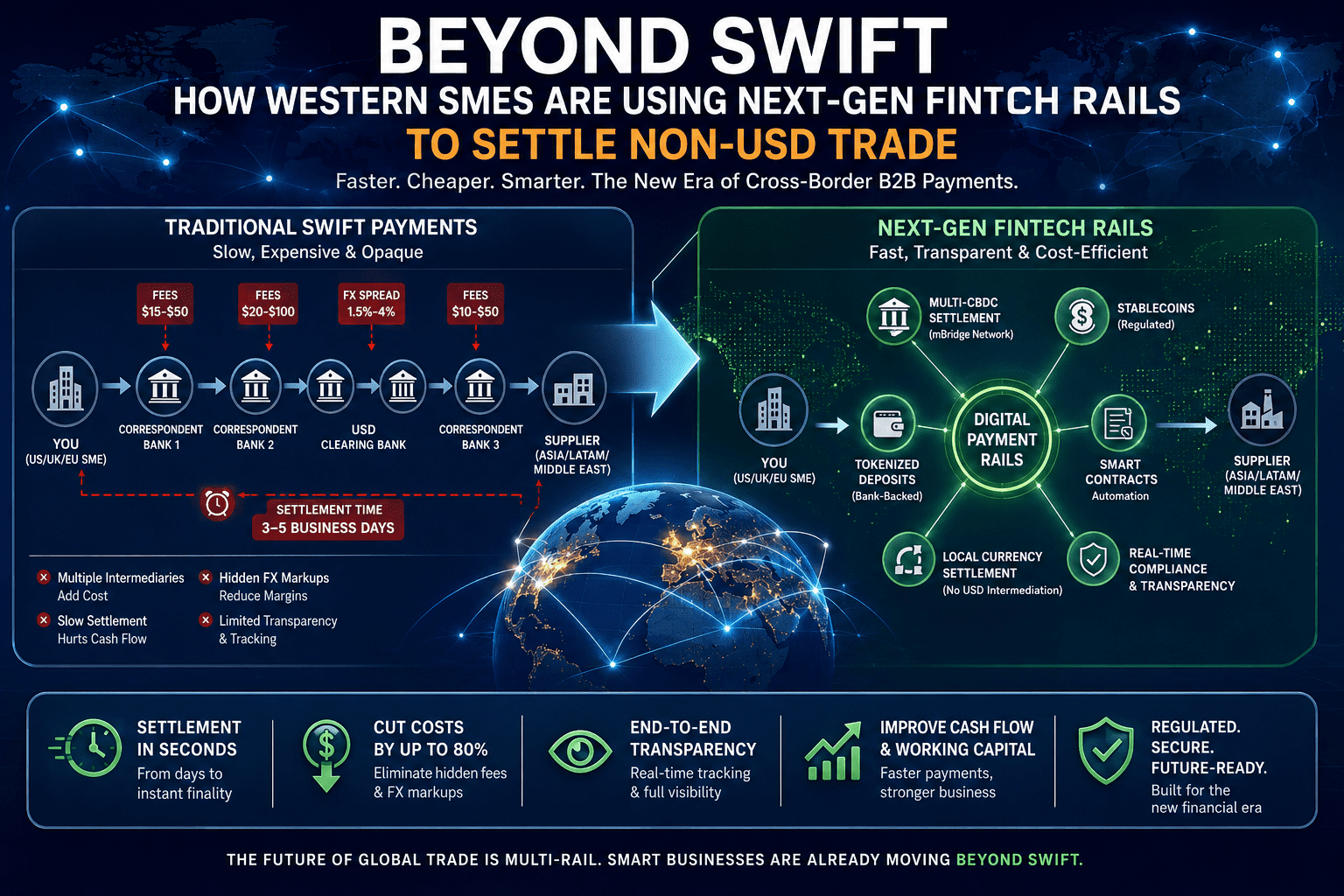
China’s Cross-border Interbank Payment System (CIPS) processed an average of 9.6 trillion yuan daily in 2024, representing 65% year-over-year growth. The system now connects over 1,700 financial institutions across 180 countries. This is a direct alternative to the SWIFT system that underpins dollar-based international payments.
3. Central Banks Are Buying Gold at Record Pace
In 2023 and 2024, central banks purchased a combined 2,082 tonnes of gold — the fastest accumulation pace since World War I. The previous annual average from 2010 to 2021 was just 473 tonnes. Countries are building gold reserves specifically because gold, unlike dollars, cannot be frozen by US sanctions.
4. The Energy Transition Is Undermining the System’s Foundation
The petrodollar’s power depends on one thing: the world running on oil. But global EV adoption is accelerating rapidly. China sold over 11 million electric vehicles in 2024. The Trump administration’s strategy of prioritizing fossil fuels is actually accelerating this divergence by pushing the global south toward cheaper green technologies and trade with rivals like China. Less oil consumed means less oil traded — and less reason for the world to hold dollars.
5. China Is Cutting Its US Treasury Holdings
China has slashed its US Treasury holdings from $1.3 trillion in 2013 to just $682 billion by November 2025 — a reduction of nearly half. This is direct, quantifiable evidence of de-dollarization at the highest level.
| Development | Year | Impact on Petrodollar |
|---|---|---|
| Saudi Arabia lets deal expire | June 2024 | 🔴 High — opens door to multi-currency oil trade |
| Central banks buy 2,082 tonnes gold | 2023–2024 | 🟠 Medium-High — dollar diversification accelerates |
| China CIPS hits 9.6T yuan/day | 2024 | 🟠 Medium — dollar-alternative payment system grows |
| China cuts Treasury holdings by 48% | 2013–2025 | 🔴 High — reduces petrodollar recycling into US debt |
| EV sales surge globally | 2024–2025 | 🟡 Medium — reduces long-term oil demand |
| Dollar reserve share hits 57.7% | Q1 2025 | 🟠 Medium — 30-year low reflects systemic shift |
But the Petrodollar Isn’t Dead Yet — Not Even Close
Here’s the critical balance: while the petrodollar is under more pressure than at any point since 1974, it is far from finished. The facts are important here.
Today, roughly 80% of global oil transactions are still conducted in US dollars — the petrodollar’s most basic metric. That number hasn’t collapsed. It’s held remarkably steady even as everything else shifts around it.
Research from the US Federal Reserve shows that the dollar’s global popularity doesn’t primarily depend on the goodwill of oil exporters. It’s based on the US’s status as the world’s largest economy and goods importer, with deep, liquid capital markets backed by the rule of law and military power.
Furthermore, the US dollar remains the main invoicing currency in global trade, with 40% of international trade transactions in goods invoiced in dollars — despite the fact that the US share of global trade is just 10%. That gap — between the US’s 10% economic footprint and the dollar’s 40% trade share — is the measure of petrodollar privilege. And it’s still very much intact.
No single currency is ready to replace the dollar. The Chinese yuan, despite China’s enormous economic size, still accounts for less than 5% of global trade invoicing. Saudi Arabia’s Vision 2030 diversification is real but gradual. The alternatives are being built — but they are nowhere near ready to take over.
The Council on Foreign Relations (CFR)
What Does All This Mean for Regular People?
This might feel like abstract global economics. But the petrodollar system touches your life more directly than you might realize.
For Americans: The petrodollar has effectively subsidized your standard of living for 50 years. It has kept mortgage rates lower, kept import prices down, and allowed the US government to spend on healthcare, infrastructure, and military without immediately raising taxes. A weakening petrodollar means some of those advantages shrink over time.
For people in developing countries: The petrodollar system has often been a source of pain. When the dollar rises, the cost of oil — priced in dollars — rises for them even if oil itself hasn’t gotten more expensive. A more multi-currency oil trade system could actually reduce this volatility for emerging economies.
For investors everywhere: The shift away from petrodollar recycling into US Treasuries is one reason gold is hitting record highs. Central banks are diversifying into gold, and gold demand is structurally higher than it’s been in decades. For ordinary investors, this is worth understanding when thinking about portfolio protection.
The Future: A Multi-Currency World or Dollar Dominance 2.0?
So where does it all go from here? Experts are genuinely divided, but most agree on a few things.
Scenario 1 — Gradual multi-currency transition. The most likely outcome. Oil is increasingly traded in a mix of currencies — dollars still dominant, but yuan, euros, and rupees playing larger roles. No single currency replaces the dollar, but its share shrinks from 80% toward 60% over 20 years. The US retains significant but reduced financial privilege.
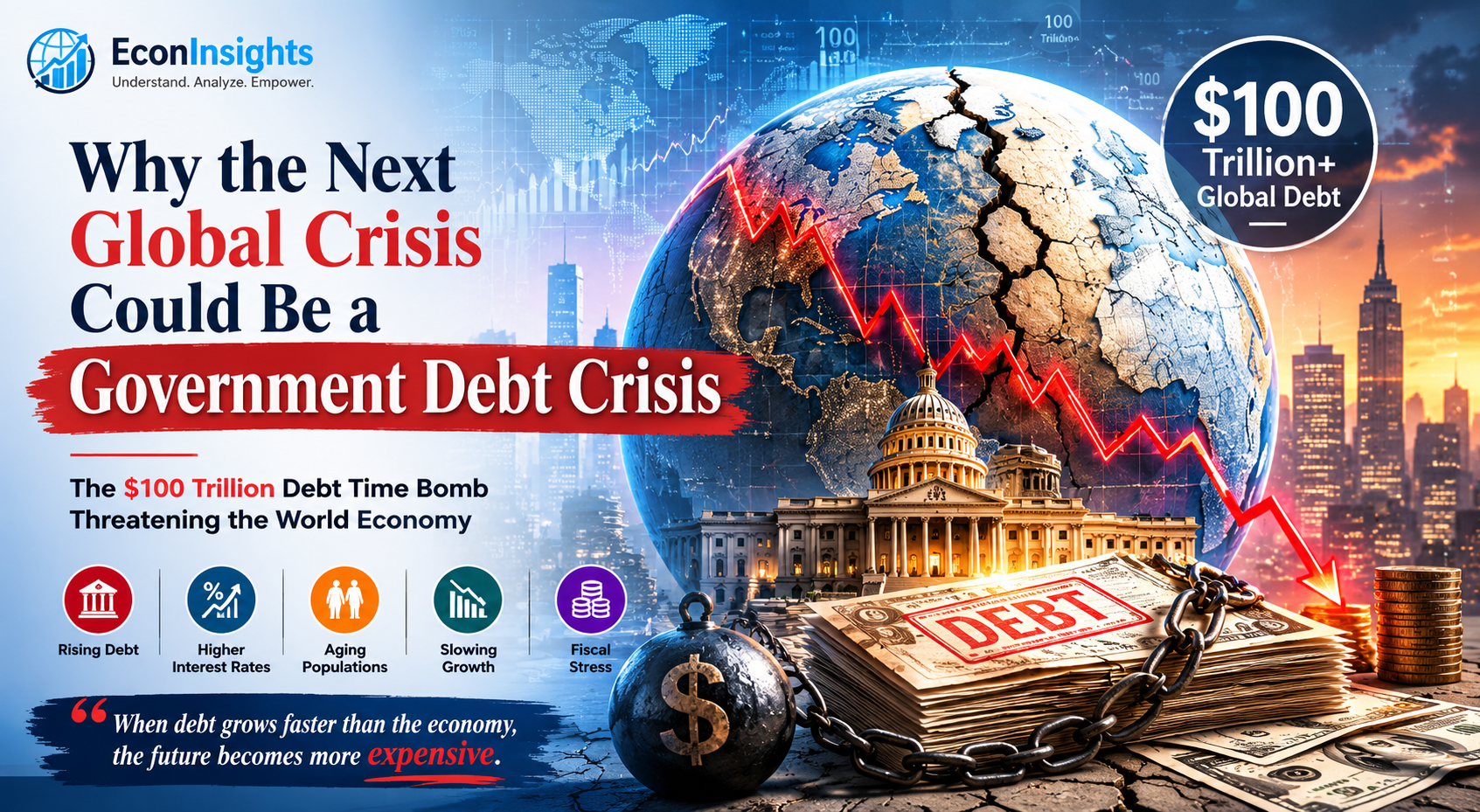
Scenario 2 — Accelerated de-dollarization. A major geopolitical shock — a war, a US debt crisis, or a dramatic expansion of Chinese yuan trade — triggers a faster shift. Countries rush to reduce dollar exposure. The transition is messier and more volatile.
Scenario 3 — Dollar resurgence. The US gets its fiscal house in order, energy innovation makes America even more dominant in global energy markets, and the dollar’s structural advantages reassert themselves. History shows this is possible — the dollar recovered from far deeper crises in the 1970s and 1980s.
European Central Bank President Christine Lagarde made headlines in May 2025 with her assessment that the current global landscape presents a significant opportunity for a “global euro moment,” as investors increasingly reduce their exposure to dollar-denominated assets. Whether Europe can capitalize on that moment remains to be seen.
What’s clear is this: the petrodollar system that has quietly shaped your life, your economy, and your government’s finances for 50 years is now being renegotiated. In real time. Right now.
The Bottom Line: The Most Important Financial System You Never Heard Of
The petrodollar is one of the most consequential arrangements in modern history — and also one of the least understood by ordinary people. It was born from a 1974 secret deal between Henry Kissinger and Saudi Arabia. It turned oil into a dollar-printing machine for the United States. It funded America’s military, kept its borrowing costs low, and gave Washington unprecedented geopolitical leverage for five decades.
Now, in 2025 and 2026, that system is genuinely changing. Saudi Arabia has opened its doors to other currencies. China has slashed its US Treasury holdings by nearly half. Central banks are buying gold at the fastest rate since World War I. And the rise of electric vehicles is slowly eating away at the oil demand that was always the system’s foundation.
The petrodollar isn’t dead. But it is no longer untouchable. And understanding that shift is one of the most important things any informed person can do in today’s world.

2 thoughts on “What Is the Petrodollar? How It Works & Why It’s Changing”