Why This Incident Matters Beyond Protests
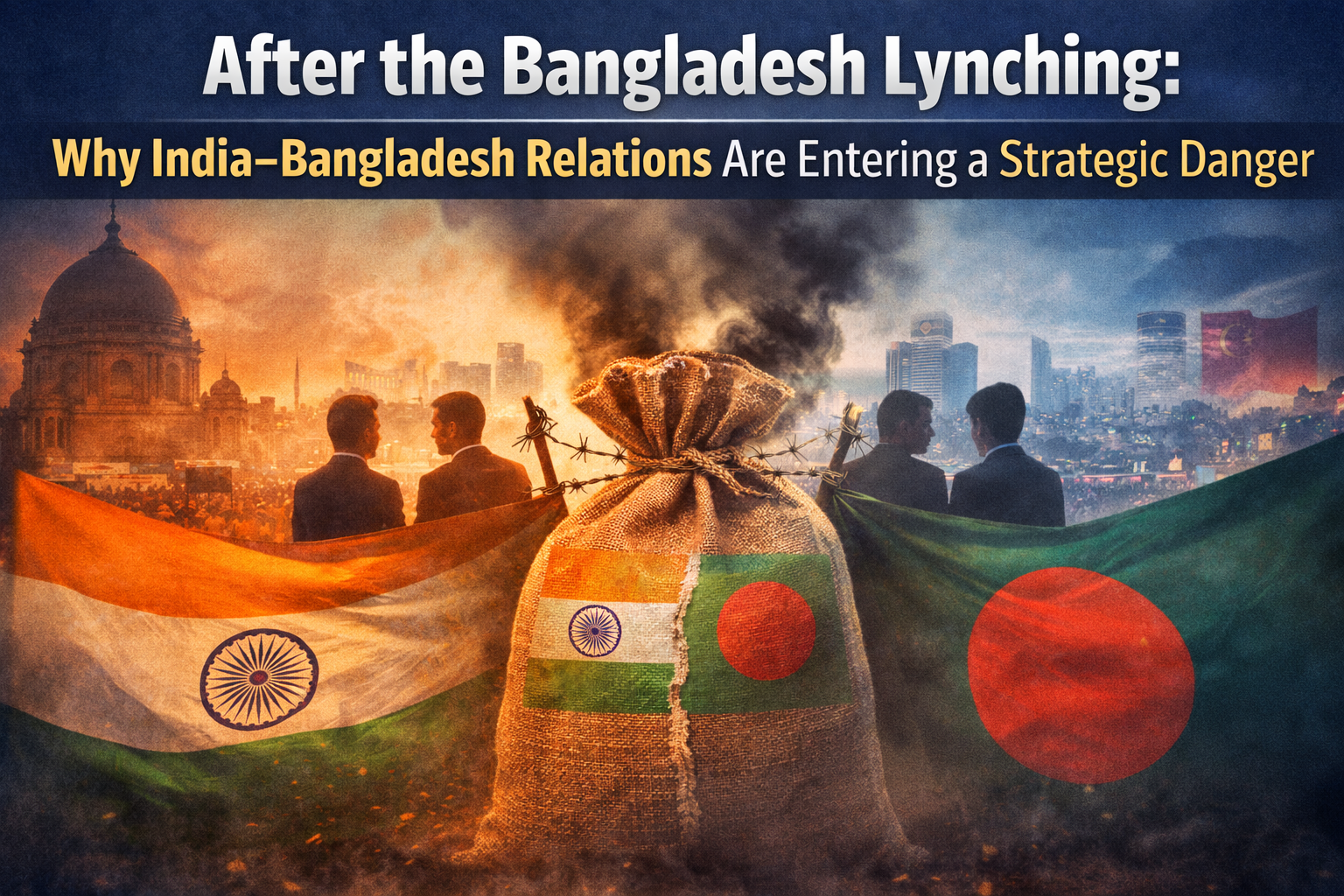
The lynching of Dipu Chandra Das in Bangladesh and the protests that followed in New Delhi may look like another tragic law-and-order issue at first glance. But in reality, this incident has gone far beyond the streets. It has entered the space of diplomacy, regional stability, and geopolitics.
India and Bangladesh are not just neighbours. They are deeply connected by history, language, culture, trade, and security. When such an incident happens—especially involving a minority—it creates emotional reactions at home and diplomatic pressure abroad. That is why both governments decided to summon each other’s envoys, a step that is never taken lightly.
The real question India must ask is this:
👉 Is this just a temporary diplomatic flare-up, or is it a sign of a deeper strategic drift that could reshape South Asia’s balance?
What Exactly Happened: Facts, Not Rumours
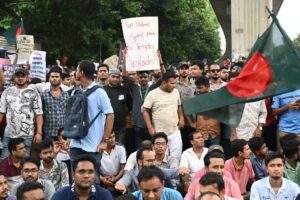
According to verified reports, Dipu Chandra Das, a member of the Hindu minority in Bangladesh, was lynched under circumstances that triggered widespread anger. In India, protests erupted in parts of New Delhi, led by civil society groups and religious organisations demanding accountability and protection for minorities in Bangladesh.
Both governments responded cautiously but firmly. India raised concerns through diplomatic channels, while Bangladesh rejected external pressure but promised an internal review. The situation escalated when envoys were summoned, signalling that trust had been shaken.
The reason this incident became so emotionally charged is clear: it involved religious identity, which has historical and civilisational weight in the subcontinent. Social media amplified emotions, but governments had to deal with facts, not hashtags.
Why This Incident Hit a Raw Nerve in India

For India, this was not just about one individual. It touched a deep historical memory.
The subcontinent’s past—Partition, the 1971 Liberation War, and repeated refugee flows—has left scars that still influence public opinion.
India has already experienced waves of refugees from East Pakistan (now Bangladesh) in the past. Any attack on minorities across the border immediately raises fears of instability, displacement, and long-term insecurity.
This is why public pressure mounted on the Indian government. Citizens expect the state to speak firmly, but also act responsibly, knowing that reckless diplomacy can create bigger problems than it solves.
Bangladesh’s Internal Dynamics: Politics Under Pressure
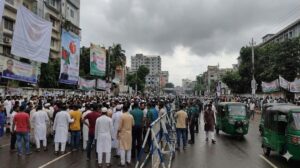
To understand why such incidents occur, we must also look inward at Bangladesh’s internal situation.
Bangladesh is facing political tension, election-related uncertainty, and street-level polarisation. In such periods, minorities often become the softest targets.
There is an ongoing struggle between secular constitutional ideals and religious hardline groups. Whenever governance weakens, law enforcement hesitates, or political control loosens, minority protection suffers.
This pattern is not unique to Bangladesh—it has been seen globally. History shows that during political churn, identity-based violence rises because it is easy to mobilise emotions when institutions are weak.
Diplomatic Fallout: What Does Summoning Envoys Really Mean?

When countries summon each other’s envoys, it is not a routine gesture. It means displeasure has crossed a threshold.
In simple words, it signals:
“We are not satisfied with your explanation, and this issue affects our core interests.”
Such moves affect:
Intelligence cooperation
Border security coordination
Counter-terror and anti-smuggling operations
Even if no agreements are cancelled publicly, cooperation often slows quietly. This is where real damage begins—silently, not loudly.
Trade, Transit and Connectivity at Risk
India–Bangladesh trade crossed USD 15 billion annually, making Bangladesh one of India’s largest trade partners in South Asia. Bangladesh is also critical for India’s Northeast connectivity, especially through riverine and road transit routes.
Projects linking Indian ports, railways, and inland waterways through Bangladesh are strategic—not symbolic. Diplomatic tension can delay approvals, slow execution, and increase costs without any formal announcement.
Geopolitics often hurts economies not through sanctions, but through silence and delay.
The China Factor: A Strategic Opening for Beijing
Whenever India’s relations with a neighbour weaken, China quietly benefits.
China’s strategy is simple:
No questions on minority rights
Easy infrastructure loans
Fast project execution
Strategic patience
Bangladesh already has major Chinese investments in ports, power plants, and infrastructure. If Dhaka feels pressured or isolated by India, it may naturally lean further towards Beijing.
India must remember: geopolitics is not about morality alone—it is about managing space so rivals don’t occupy it.
India’s Strategic Dilemma: Speak Firmly or Stay Quiet?
India faces a delicate balance.
Silence risks domestic anger and loss of moral credibility.
Aggression risks pushing Bangladesh away and destabilising the region.
India’s historical approach has been calibrated pressure + quiet diplomacy. This means raising concerns firmly, documenting facts internationally, but avoiding megaphone diplomacy that corner the other side.
Moral clarity and strategic patience must go together. One without the other creates instability.
Minority Safety Is a Regional Security Issue
Minority persecution is not just a human rights issue—it is a security issue.
History shows that sustained minority violence leads to:
Refugee flows
Radicalisation
Border tension
Long-term instability
India’s interest in minority safety is therefore strategic, not merely religious. This distinction is important. Advocacy is not interference; instability next door never remains next door.
What This Means for Indian Hindus: Emotion vs Strategy
Anger and pain are natural. But statecraft cannot operate only on emotion.
Sustained pressure works better than viral outrage. Documentation, diplomacy, and economic leverage create long-term results. Emotional spikes fade quickly; strategic pressure lasts.
India must channel public concern into institutional action, not street-only reaction.
Possible Scenarios Ahead
Diplomatic cooling, but no rupture
Slowdown in trade and transit cooperation
Bangladesh moving closer to China
Quiet correction through back-channel diplomacy
Which path emerges depends on restraint, communication, and strategic clarity on both sides.
What India Should Do Now
India should:
Engage diplomatically with firmness and facts
Use international platforms carefully
Protect economic and security interests
Avoid pushing Bangladesh into strategic isolation
Leadership is tested most during uncomfortable moments—not emotional ones.
Conclusion: A Test of Maturity for Both Nations
This incident is not the end of India–Bangladesh relations. It is a stress test.
India must act as South Asia’s stabilising power—not a reactive one. Bangladesh must recognise that stability comes from inclusion, not denial.
How India responds now will shape not just relations with Bangladesh—but its credibility as a mature regional power.
Frequently Asked Questions (FAQ)
1️⃣ What triggered the diplomatic tension between India and Bangladesh?
The tension was triggered after the lynching of Dipu Chandra Das in Bangladesh, which led to protests in New Delhi and diplomatic exchanges between the two governments, including summoning envoys.
2️⃣ Why did this incident cause such a strong reaction in India?
Because it involved the killing of a Hindu minority member in a neighbouring country with deep historical and cultural links to India. Such incidents revive memories of past refugee crises and regional instability.
3️⃣ Did India officially protest to Bangladesh?
Yes. India raised concerns through diplomatic channels and summoned the Bangladesh envoy, a formal signal of displeasure used only in serious matters.
4️⃣ Is this just a law-and-order issue in Bangladesh?
No. While the crime occurred locally, its implications are regional. Minority violence affects border stability, migration patterns, and long-term security in South Asia.
5️⃣ How important is Bangladesh to India strategically?
Bangladesh is crucial for India’s Northeast connectivity, trade routes, border security, and counter-terror cooperation. Any strain in relations directly impacts India’s regional strategy.
6️⃣ Can this incident affect India–Bangladesh trade and transit projects?
Yes. Even without public announcements, diplomatic tension can quietly delay trade clearances, infrastructure projects, and transit permissions.
7️⃣ Is China likely to benefit from India–Bangladesh tensions?
Potentially, yes. China often fills strategic gaps by offering infrastructure investment and diplomatic support without raising internal governance or human rights issues.
8️⃣ How should India balance emotions and diplomacy in such cases?
India must act firmly but calmly—raising concerns with facts, using diplomatic pressure, and avoiding public escalation that could push Bangladesh toward strategic rivals.
9️⃣ Does minority safety in Bangladesh affect India’s security?
Yes. Sustained minority persecution can lead to refugee flows, radicalisation, and long-term instability along India’s eastern borders.
🔟 Is this incident a long-term turning point in India–Bangladesh relations?
Not necessarily. It is a stress test. The outcome depends on how responsibly both governments handle diplomacy, accountability, and regional cooperation.
1️⃣1️⃣ What should Indian citizens understand about this issue?
That concern for minority safety is valid, but lasting solutions come through diplomacy, documentation, and strategic engagement—not emotional escalation alone.
1️⃣2️⃣ What should India do going forward?
India should continue calibrated diplomacy, protect its strategic interests, support minority safety through lawful means, and prevent regional instability that benefits external powers.
To visit official website of MEA click here
People Also Ask (PAA)
What happened in the Bangladesh lynching incident?
A Hindu minority member, Dipu Chandra Das, was lynched in Bangladesh, triggering protests in India and raising concerns over minority safety and law enforcement in Bangladesh.
Why did India react strongly to the lynching in Bangladesh?
India reacted because the incident involved a minority community with deep historical and cultural links to India and raised fears of regional instability and refugee pressure.
Did India summon the Bangladesh envoy after the incident?
Yes. India summoned Bangladesh’s envoy, a diplomatic step usually taken to formally express serious concern and dissatisfaction.
Is minority violence in Bangladesh a regional security issue?
Yes. Repeated minority violence can lead to migration, radicalisation, and long-term instability, directly affecting India’s border security and regional peace.
How important are India–Bangladesh relations for India?
Bangladesh is vital for India’s Northeast connectivity, trade routes, border management, and counter-terror cooperation, making stable relations essential.
Can incidents like this affect India–Bangladesh trade?
Yes. Diplomatic tension can quietly delay trade approvals, transit agreements, and infrastructure projects even without formal suspension.
How could China benefit from India–Bangladesh tensions?
If India–Bangladesh relations weaken, China may gain strategic space by increasing investments and influence in Bangladesh without raising governance concerns.
Is this incident likely to damage long-term India–Bangladesh relations?
Not necessarily. It is a stress test rather than a rupture. Outcomes depend on diplomatic maturity and corrective action by both sides.
How should India balance emotion and diplomacy in such cases?
India must acknowledge public sentiment while responding through measured diplomacy, evidence-based engagement, and long-term strategic thinking.
Does this incident change India’s neighbourhood policy?
It reinforces the need for India to combine security, diplomacy, and cultural sensitivity while preventing strategic vacuums that rivals could exploit.
What should Indian citizens understand about this issue?
That protecting minority rights and maintaining regional stability require patience, diplomacy, and strategic pressure—not only emotional reactions.