1. Introduction: Why “De-Dollarization” Is Trending — Fear vs Facts
Over the past few years, “de-dollarization” has become one of the most discussed terms in global finance, foreign exchange markets, and geopolitics. From central bank speeches to BRICS summits and social media debates, there is a growing narrative that the dominance of the US dollar is under threat—particularly from China and its expanding network of trade partners.
This surge in interest is driven by real developments: rising US sanctions, geopolitical fragmentation, currency settlements outside the dollar, and the growing economic weight of emerging markets. For forex traders and economists, these shifts matter because even small changes in global currency usage can reshape capital flows, exchange rates, and reserve strategies.
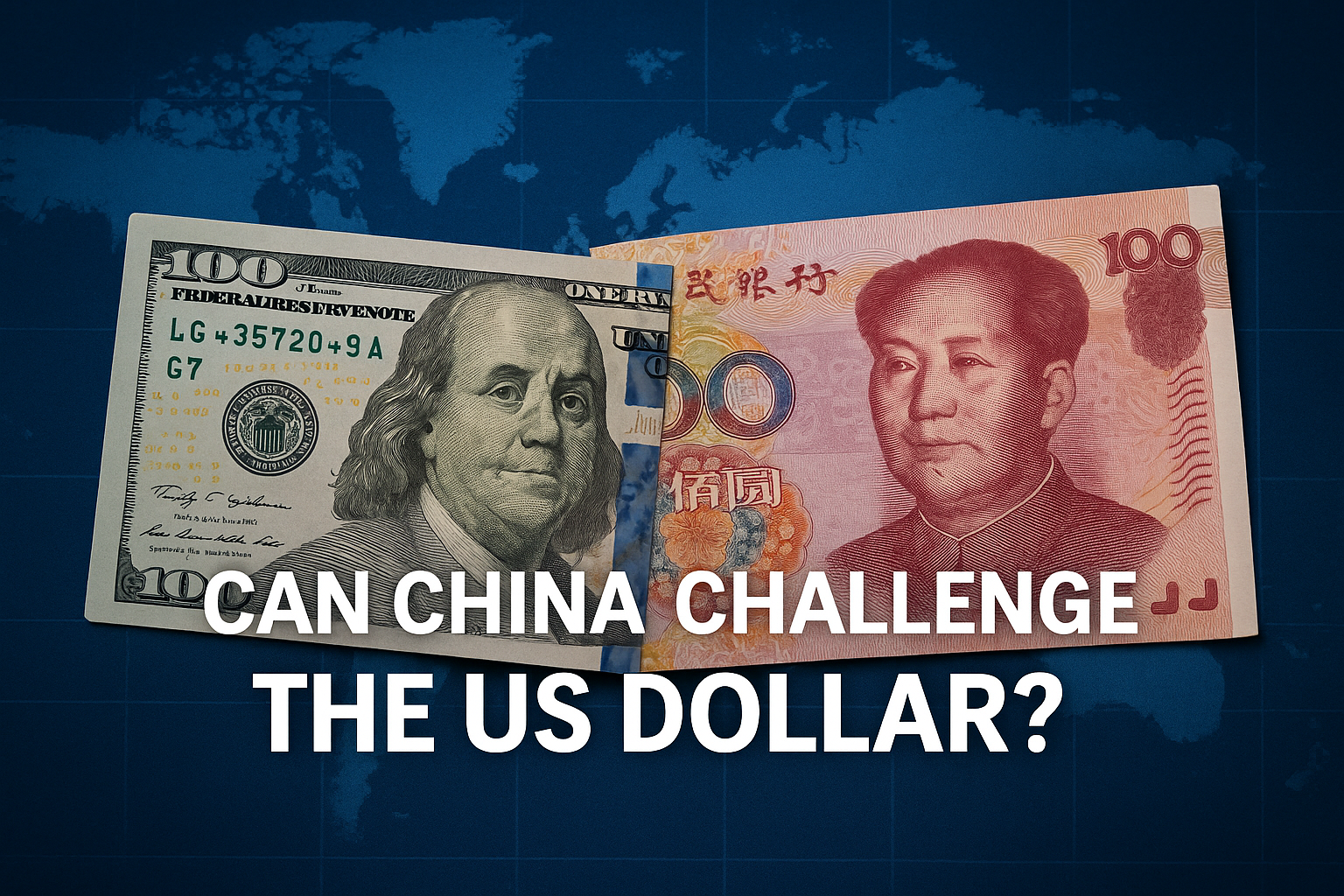
However, there is also a large gap between fear and facts. Headlines often suggest the dollar is about to collapse or be replaced overnight. In reality, currency dominance is deeply structural and changes slowly. China’s challenge to the dollar is not a frontal attack but a gradual, strategic effort to reduce dependence on it. Understanding this distinction is essential for anyone trying to read the future of the global monetary system.
2. Why the Dollar Dominates Global Trade
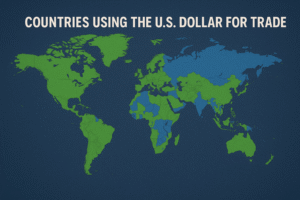
The dominance of the US dollar is not an accident—it is the result of decades of institutional trust, market depth, and geopolitical power. First, trust plays a central role. The US has long maintained relatively stable political institutions, an independent central bank, and predictable monetary policy. This gives global investors confidence that dollar-denominated assets will retain value over time.
Second, liquidity is unmatched. US Treasury markets are the deepest and most liquid in the world. During crises, global capital flows into dollar assets, reinforcing the dollar’s safe-haven status. No other currency currently offers the same scale of liquidity for trade settlement, reserves, and financial hedging.
Third, the dollar is backed by military and economic power. The US security umbrella, global alliances, and dominance in international institutions reinforce the dollar’s role. Energy markets, global debt issuance, and cross-border banking are still largely dollar-based. This ecosystem creates a powerful self-reinforcing loop that makes replacing the dollar extremely difficult.
3. China’s Strategy to Reduce Dollar Dependence
China’s approach is not about overthrowing the dollar overnight, but about reducing vulnerability. One key strategy is expanding yuan-based trade settlements. China has encouraged trading partners—especially energy exporters and neighboring economies—to settle bilateral trade in yuan rather than dollars. This lowers China’s exposure to dollar shortages and US financial pressure.
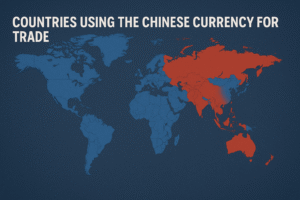
Another tool is bilateral trade agreements. China has signed currency swap arrangements with dozens of countries, allowing trade to continue even when dollar liquidity is tight. These swaps do not replace the dollar globally, but they create parallel channels that reduce dependence on it.
The BRICS expansion narrative also plays a role. China supports the idea of a more diversified global financial system, often framed through BRICS cooperation. While talk of a “BRICS currency” attracts headlines, the practical focus has been on local currency trade, development banks, and settlement systems that bypass traditional dollar-dominated channels.
4. Role of US–China Strategic Competition
The intensifying strategic competition between the US and China has accelerated de-dollarization efforts. One major factor is the weaponization of sanctions. The US has increasingly used access to the dollar system, SWIFT, and global banking networks as tools of foreign policy. While effective in the short term, this has also encouraged other countries to seek alternatives.
From China’s perspective, financial geopolitics has become a national security issue. Reliance on the dollar exposes Chinese trade, reserves, and financial institutions to external pressure. As a result, China is building parallel systems—payment networks, clearing mechanisms, and reserve arrangements—that reduce this risk.
Ironically, US actions themselves have contributed to de-dollarization pressures. By using the dollar as a geopolitical weapon, Washington has signaled that access to the dollar is conditional, not neutral. This has changed how many countries think about currency risk, even if they continue to rely heavily on the dollar.
5. Challenges Facing the Yuan
Despite China’s ambitions, the yuan faces serious structural challenges. The most significant is capital controls. China tightly manages capital flows to protect financial stability. While this helps prevent crises, it also limits the yuan’s attractiveness as a global reserve currency. Investors want the freedom to move money in and out without restrictions.
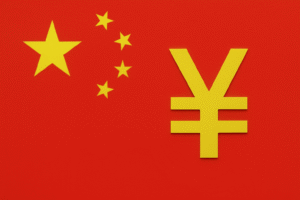
There is also a trust deficit. Global markets value transparency, rule of law, and predictable policy. China’s financial system, while improving, still lacks the level of openness seen in developed economies. Sudden regulatory interventions and limited data disclosure reduce confidence among foreign investors.
Finally, financial transparency and governance remain concerns. For a currency to rival the dollar, global investors must trust not just the economy, but the legal and institutional framework behind it. Until these issues are addressed, the yuan’s international role will expand—but within limits.
6. Impact on Global Markets
The push toward de-dollarization has already influenced forex volatility. Currency traders now closely monitor geopolitical developments, sanctions, and trade agreements, as these factors increasingly affect exchange rates. Periodic moves toward non-dollar settlements can trigger short-term volatility in emerging market currencies.
For emerging markets, diversification away from the dollar offers both opportunity and risk. Reduced dollar dependence can lower exposure to US interest rate cycles, but it also introduces complexity in managing reserves and trade finance.
Gold demand has also risen. Many central banks—particularly in emerging markets—have increased gold purchases as a neutral reserve asset that carries no geopolitical strings. This trend reflects a desire for diversification rather than a rejection of the dollar itself.
7. Can a Multipolar Currency System Emerge?
A more realistic future is not the replacement of the dollar, but the emergence of a multipolar currency system. In this scenario, the dollar remains dominant, but its share gradually declines as the euro, yuan, and other currencies play larger regional roles.
A dollar + euro + yuan system would reflect economic realities more accurately. Europe remains a major trading bloc, China is the world’s largest goods trader, and the US still dominates finance. However, such transitions take decades, not years.
Timelines matter. Currency dominance changes slowly because it is tied to institutions, trust, and market infrastructure. While the direction may be toward diversification, the dollar’s central role is likely to persist well into the foreseeable future.
8. Impact on India and the Global South
India’s stance on de-dollarization is pragmatic rather than ideological. India has supported local currency trade in limited cases, especially to maintain trade flows under sanctions or supply disruptions. However, it continues to rely heavily on the dollar for reserves and trade settlement.
For the Global South, local currency trade can reduce transaction costs and exposure to dollar volatility. At the same time, it carries risks related to currency stability, convertibility, and liquidity. Many developing countries lack deep financial markets to support large-scale non-dollar trade.
India’s approach reflects balance: diversify where practical, but avoid undermining financial stability. This cautious stance enhances India’s credibility in a fragmented global monetary environment.
9. Expert Opinions: What Central Bankers and Economists Say
Most central bankers agree on one point: the dollar’s dominance is changing, but not collapsing. Economists argue that de-dollarization is better understood as diversification rather than replacement.
Russian policymakers openly support de-dollarization, largely driven by sanctions. Russia has shifted trade settlements toward non-dollar currencies and increased gold reserves. However, this shift is more defensive than transformative.
Many global economists note that the US itself bears partial responsibility. By aggressively using financial sanctions, Washington has accelerated efforts to build alternatives. Yet, they also emphasize that no rival currency currently matches the dollar’s scale, trust, and liquidity.
To visit Federal Reserve of USA Click here
10. Conclusion: Why Dollar Dominance Is Changing—but Not Ending
China cannot realistically replace the US dollar through strategic trade alliances alone. What it can do—and is doing—is reduce dependence on the dollar, reshape regional trade settlement, and push the world toward a more diversified currency system.
India, Russia, and BRICS nations play important roles in this process, but each follows its own interests rather than a unified anti-dollar agenda. The US, through its financial policies and sanctions strategy, has unintentionally encouraged diversification—but not abandonment—of the dollar.
The big picture is clear: the era of unquestioned dollar dominance is evolving, but the dollar remains the backbone of the global financial system. For forex traders and economists, the real story is not collapse, but gradual change—one that will redefine global finance over the coming decades rather than overturn it overnight.
Frequently Asked Questions (FAQ)
What is de-dollarization and why is it gaining attention now?
De-dollarization refers to efforts by countries to reduce their dependence on the US dollar for international trade, foreign exchange reserves, and financial transactions. It has gained attention in recent years due to rising geopolitical tensions, increased use of economic sanctions by the US, and growing dissatisfaction among some countries with dollar-centric financial systems. Events such as sanctions on Russia, trade tensions between the US and China, and global supply chain disruptions have made many nations rethink the risks of relying too heavily on a single currency.
Can China really replace the US dollar as the world’s reserve currency?
China is unlikely to fully replace the US dollar as the global reserve currency in the foreseeable future. While China is expanding the use of the yuan in bilateral trade and financial agreements, the dollar still dominates global finance due to its liquidity, trust, open capital markets, and strong institutional backing. Most economists agree that China’s strategy is focused on reducing dependence on the dollar, not completely overthrowing it.
How is China promoting the yuan in global trade?
China promotes the yuan through multiple channels, including encouraging yuan-based trade settlements, signing bilateral currency swap agreements, and expanding payment systems that bypass traditional dollar-based routes. China has also supported trade invoicing in yuan with energy exporters and developing countries. These steps help internationalize the yuan gradually, especially in regional and strategic trade relationships.
What role do BRICS countries play in de-dollarization?
BRICS nations—Brazil, Russia, India, China, and South Africa—support greater use of local currencies in trade and financial cooperation. While discussions about a common BRICS currency often make headlines, the practical focus has been on reducing transaction costs and exposure to dollar volatility rather than replacing the dollar. BRICS initiatives contribute to diversification, but they do not yet represent a unified alternative to the US dollar.
How have US sanctions contributed to the de-dollarization trend?
US sanctions have played a significant role in accelerating de-dollarization efforts. By restricting access to dollar-based financial systems, the US has highlighted the political risks of dollar dependence. As a result, sanctioned countries and even neutral nations have explored alternative payment systems, reserve diversification, and local currency trade to reduce vulnerability to future restrictions.
What challenges prevent the yuan from becoming a global reserve currency?
The yuan faces several structural challenges, including capital controls, limited currency convertibility, and concerns over transparency and regulatory predictability. Global investors prefer currencies that allow free movement of capital and operate within transparent legal systems. Until these issues are addressed, the yuan’s role will expand gradually but remain limited compared to the US dollar.
What is India’s stance on de-dollarization?
India follows a pragmatic and balanced approach. While India supports limited local currency trade arrangements to facilitate commerce and manage disruptions, it continues to rely heavily on the US dollar for foreign exchange reserves and global trade. India’s priority is financial stability rather than ideological alignment with de-dollarization narratives.
How does de-dollarization affect global forex markets?
De-dollarization increases forex market volatility, as currency traders must factor in geopolitical developments alongside economic data. Greater use of local currencies can reduce exposure to US interest rate cycles, but it also introduces new risks related to liquidity, convertibility, and exchange rate management—especially in emerging markets.
Is gold becoming an alternative to the US dollar?
Gold is increasingly used as a diversification tool rather than a replacement for the dollar. Many central banks, particularly in emerging economies, have increased gold reserves to reduce reliance on any single currency. Gold offers neutrality and protection against geopolitical risk, but it does not provide the liquidity or transactional convenience of the US dollar.
Will the world move toward a multipolar currency system?
Most economists believe the future lies in a multipolar currency system, where the US dollar remains dominant but shares space with other currencies like the euro and yuan. Such transitions take decades, not years. The dollar’s role may gradually shrink, but it is unlikely to lose its central position anytime soon.
People Also Ask (Related Questions)
Is de-dollarization a real threat to the US dollar?
De-dollarization is a real trend, but it is not an immediate threat to the US dollar’s dominance. Most countries are diversifying currency usage to reduce risk, not abandoning the dollar entirely. The dollar still accounts for the majority of global trade, reserves, and debt issuance.
Why do most countries still prefer the US dollar for trade?
Countries prefer the US dollar because of its high liquidity, global acceptance, stable institutions, and deep financial markets. No other currency currently offers the same combination of safety, scale, and ease of use for international trade and investment.
Can BRICS create a common currency to rival the US dollar?
A BRICS common currency is highly unlikely in the near future. BRICS countries have very different economic structures, inflation levels, and monetary policies. Current efforts focus more on local currency trade rather than creating a shared reserve currency.
How does US monetary policy affect global currencies?
US interest rate decisions strongly influence global capital flows. When US rates rise, capital often moves toward dollar assets, putting pressure on emerging market currencies. This influence is one reason many countries explore ways to reduce overdependence on the dollar.
Why is China pushing for yuan-based trade settlements?
China promotes yuan settlements to reduce exposure to dollar sanctions, stabilize trade flows, and gradually internationalize its currency. This strategy also supports China’s long-term goal of strengthening financial sovereignty.
What role does Russia play in the de-dollarization process?
Russia has been one of the strongest advocates of de-dollarization, largely due to sanctions. It has shifted significant portions of its trade toward non-dollar currencies and increased gold reserves, but this approach is more defensive than transformational.
How does de-dollarization impact emerging market currencies?
De-dollarization can reduce reliance on the dollar but may increase currency volatility. Emerging markets often lack deep financial markets, making large-scale non-dollar trade more complex and risky without strong safeguards.
Is the yuan freely convertible like the US dollar?
No. The yuan is not fully convertible. China maintains capital controls to manage financial stability, which limits the yuan’s appeal as a global reserve currency compared to the US dollar.
Will gold replace the US dollar as a reserve asset?
Gold is unlikely to replace the US dollar but is increasingly used as a supplementary reserve asset. Central banks use gold to diversify reserves and hedge against geopolitical risk rather than to conduct daily trade or finance.
What does a multipolar currency system mean for forex traders?
A multipolar system increases complexity and opportunity. Traders must track geopolitics, sanctions, and currency alliances more closely, as exchange rates will be influenced by political decisions alongside economic fundamentals.